
Understanding Servo vs. IGBT Technology in Modern Voltage Stabilizers
Voltage fluctuations don’t destroy equipment gradually—they destroy it in milliseconds.
In the time it takes to blink, you could lose $50,000 in equipment.
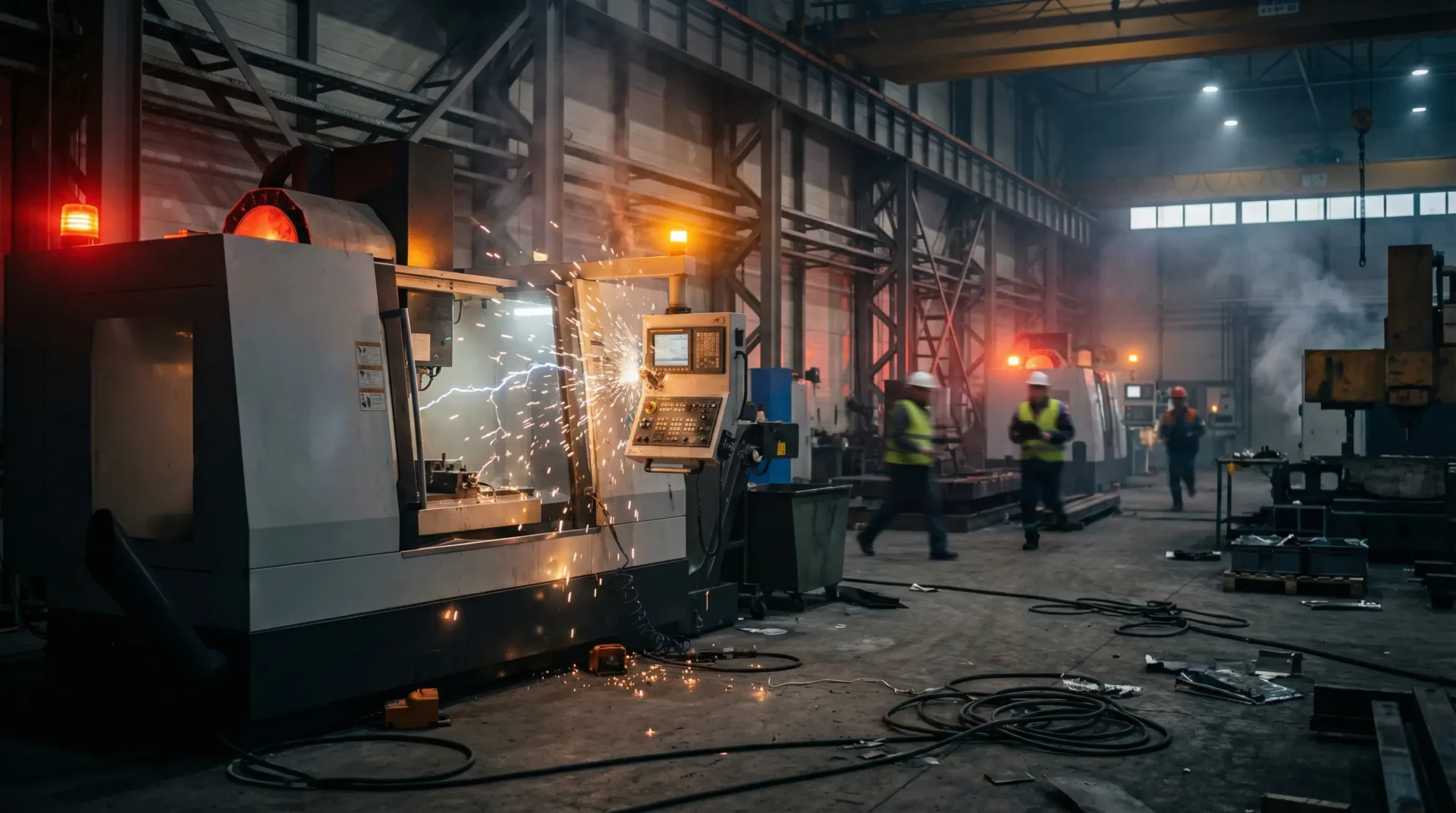
One factory owner learned this the hard way. A single voltage spike destroyed his entire production line—six CNC machines worth over $300,000. The cause? He chose the wrong stabilizer to save $2,000.
When choosing a voltage stabilizer, you face a critical decision: Servo or IGBT technology. This comparison cuts through the marketing noise and focuses on what actually matters—response time, maintenance requirements, and total cost of ownership.
Why This Decision Matters
A voltage stabilizer isn’t just equipment—it’s insurance for your valuable assets. The wrong choice means damaged equipment, production downtime, and costly replacements. The right choice provides reliable protection and peace of mind.
“The cheapest stabilizer is always the most expensive one.”
You don’t pay with the purchase price—you pay with the consequences of getting it wrong.
Have you ever bought something cheap that ended up costing you more in repairs?
The fundamental difference comes down to mechanics versus electronics. Servo stabilizers use moving parts to regulate voltage, while IGBT stabilizers use pure solid-state technology. This distinction drives every other difference in performance, maintenance, and application suitability.
How Servo Stabilizers Work
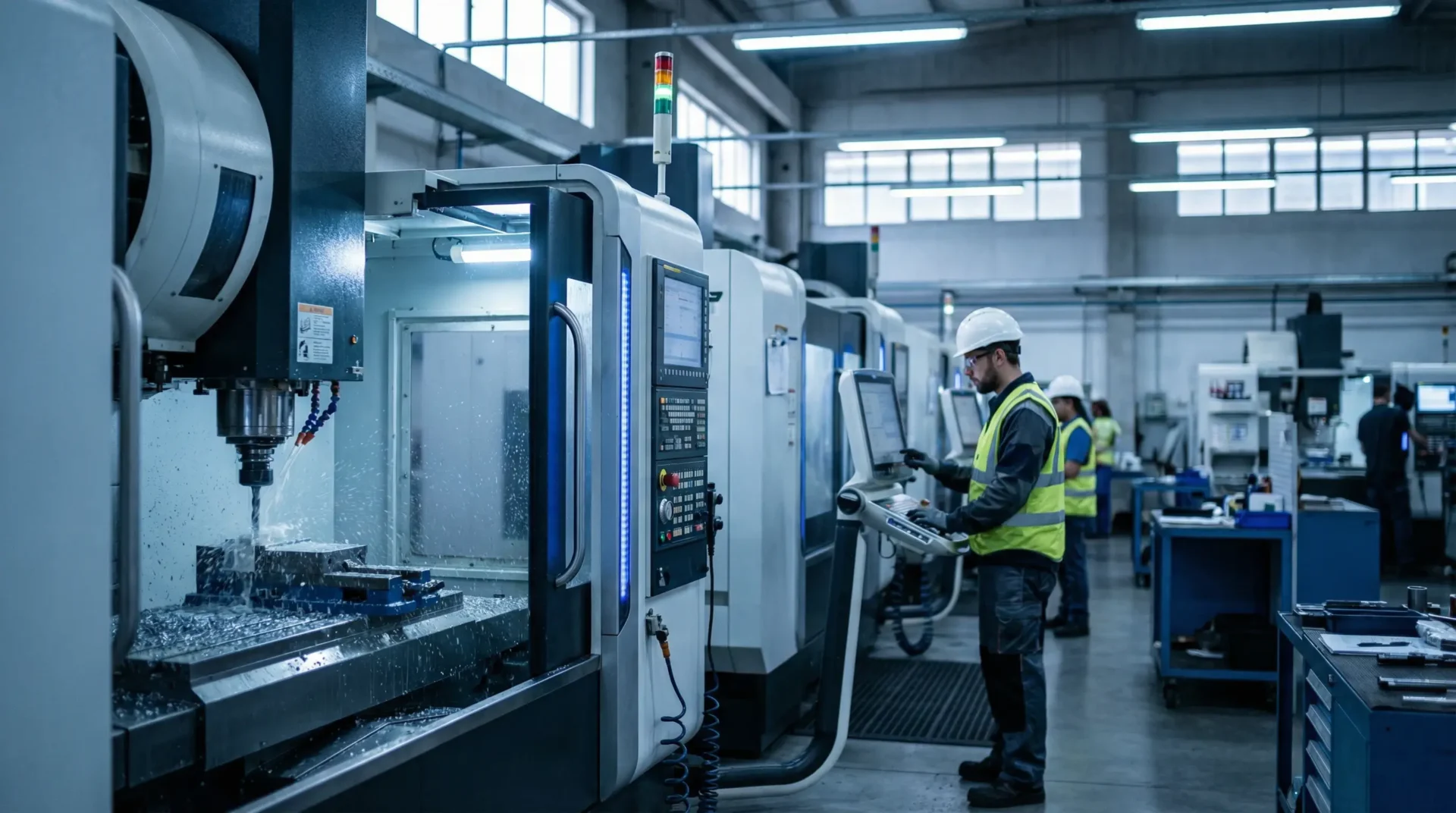
Servo stabilizers rely on a proven mechanical design that has served industry for decades. The system uses a servo motor connected to a variable autotransformer. When voltage fluctuates, a control circuit detects the variation and drives the motor to adjust the transformer’s output.
The core components include:
– Servo motor: AC synchronous or DC motor that drives the voltage adjustment
– Autotransformer: Continuously variable transformer (Variac) with tapped windings
– Buck-Boost transformer: Connected in series to step voltage up or down
– Carbon brush: Moving contact that slides across transformer windings
– Motor drive circuit: Electronics that control motor direction and speed
The voltage regulation happens through mechanical movement. When input voltage drops, the motor rotates the carbon brush to increase the turns ratio, boosting output voltage. When input voltage rises, the system reverses to reduce output.
This mechanical approach provides reliable regulation with excellent accuracy (±1%), but it comes with inherent limitations. The physical movement takes time—response times range from 50 milliseconds to several seconds depending on the magnitude of voltage fluctuation.
How IGBT Stabilizers Work
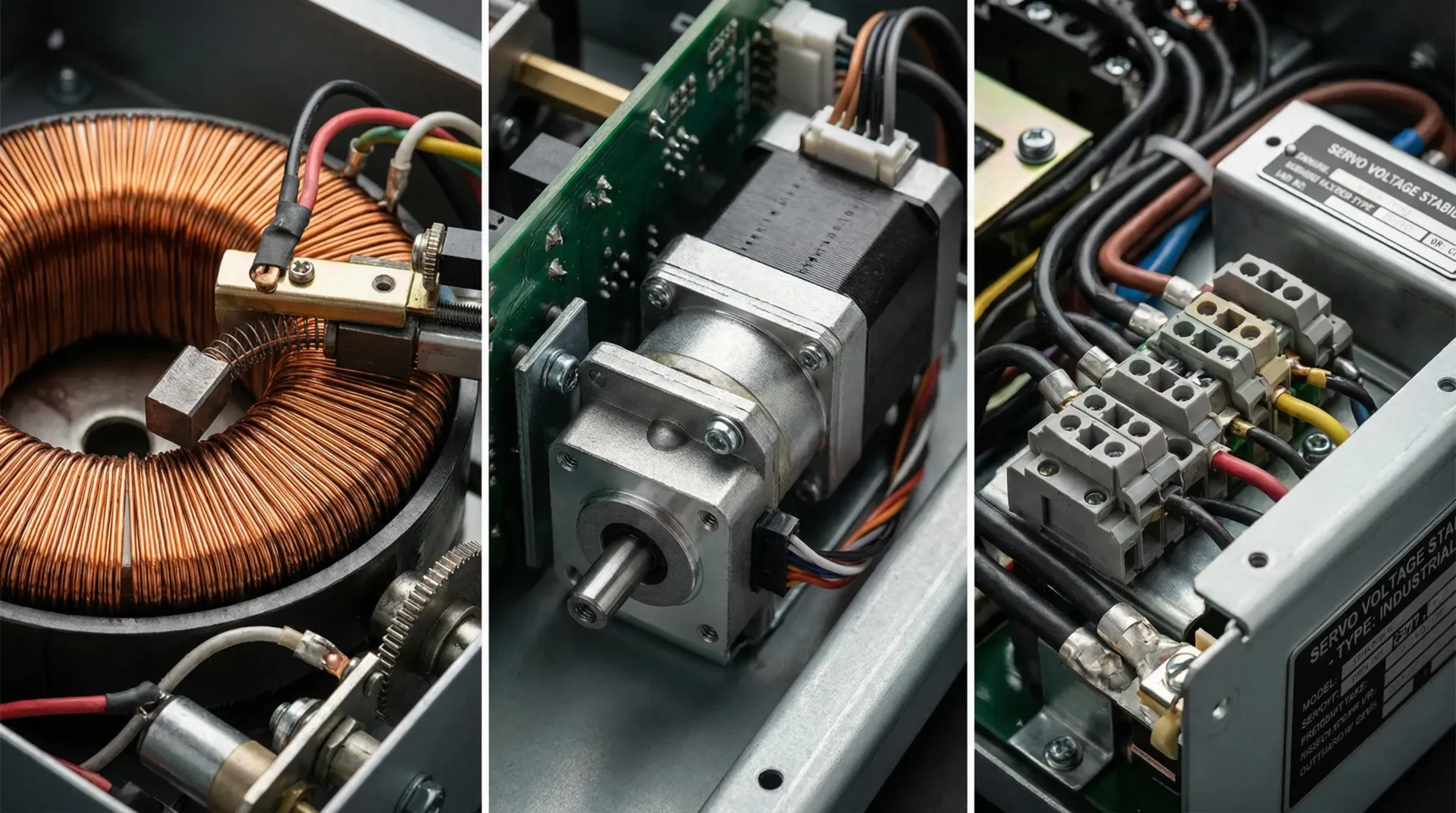
IGBT (Insulated Gate Bipolar Transistor) stabilizers represent the evolution of voltage regulation technology. Instead of moving parts, they use high-speed electronic switching with PWM (Pulse Width Modulation) control.
The system architecture includes:
– IGBT modules: High-power switching devices that can handle thousands of operations per second
– DSP controller: Digital Signal Processor that monitors voltage and generates PWM signals
– Buck-Boost transformer: Same principle as Servo, but electronically controlled
– PWM driver circuit: Converts DSP signals into IGBT switching patterns
When voltage fluctuates, the DSP detects the change and immediately adjusts the PWM pattern driving the IGBTs. The IGBTs switch at high frequency, controlling power flow through the Buck-Boost transformer to maintain stable output.
The key advantage is speed. With no mechanical movement to wait for, IGBT stabilizers can correct voltage in under 20 milliseconds—100 times faster than mechanical Servo systems. This near-instantaneous response protects sensitive equipment that would be vulnerable during the slower correction time of a Servo stabilizer.
Performance Comparison: The Numbers That Matter
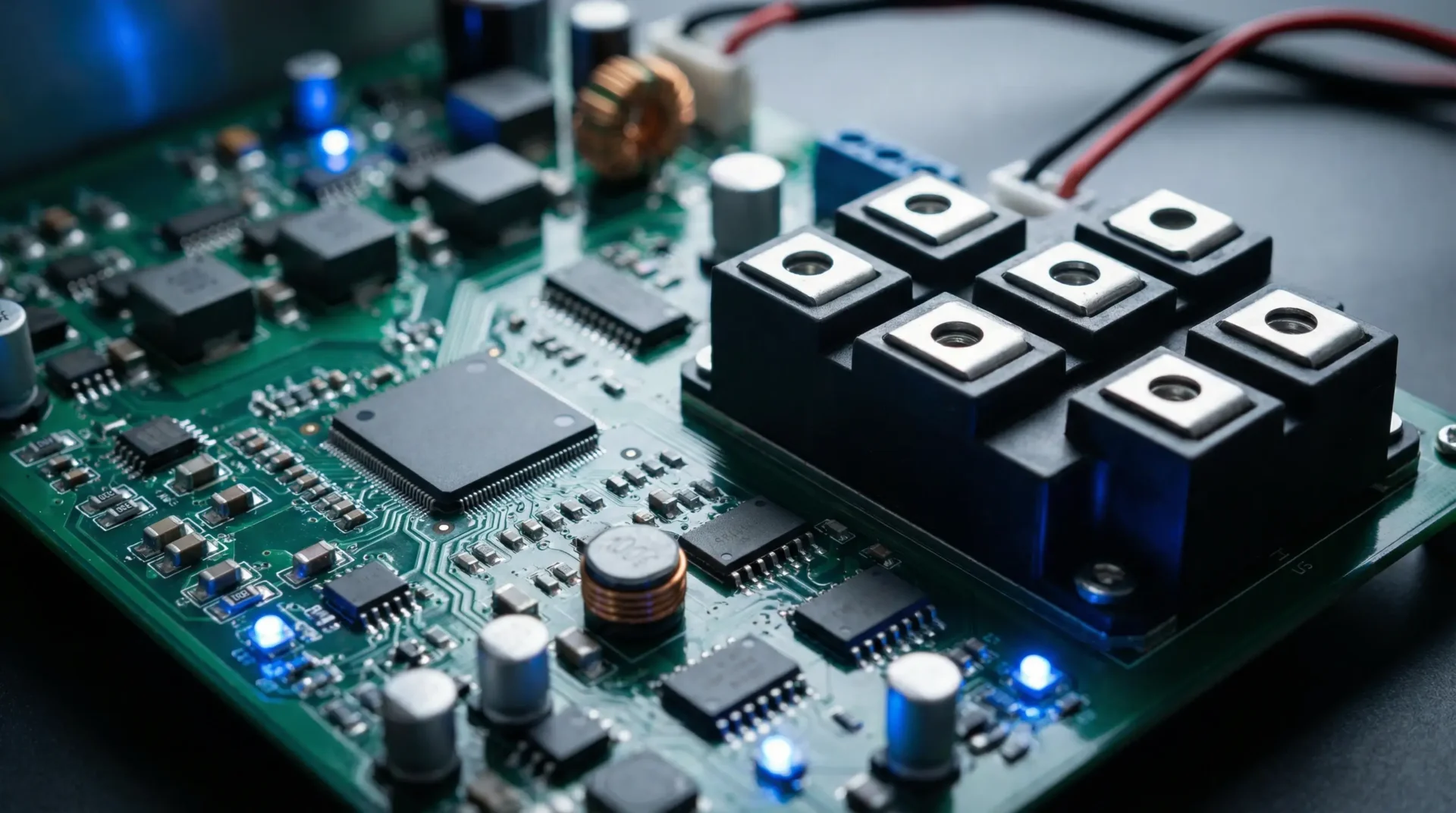
Specification | Servo Stabilizer | IGBT Stabilizer |
Response Time | 50ms – 5 seconds | < 20 milliseconds |
Regulation Speed | ~100V/s | Up to 1000V/s |
Output Accuracy | ±1% | ±1% |
Efficiency | 98%+ | Higher (IGBT low losses) |
Moving Parts | Yes (motor + brush) | No (solid-state) |
Maintenance | Brush replacement required | Maintenance-free |
“Response time is the difference between a close call and a catastrophe.”
In a severe voltage sag or surge, every millisecond counts. A Servo stabilizer might take 100-500ms to correct a significant fluctuation. During that time, your equipment receives unstable power. An IGBT stabilizer completes the same correction in under 20ms—faster than most equipment can react to the disturbance.
Efficiency also favors IGBT technology. IGBTs have lower conduction losses than the combination of transformers and motors in Servo systems. While Servo stabilizers already achieve 98%+ efficiency, IGBT systems push higher, reducing operating costs over the equipment lifetime.
The 5-Year Total Cost Reality Check
Let’s do the math. A typical 30kVA Servo stabilizer costs $2,000. An IGBT equivalent costs $3,500. That’s a $1,500 difference.
But consider the hidden costs over 5 years:
Servo Total Cost of Ownership:
– Purchase price: $2,000
– Annual brush replacement: $200 × 5 = $1,000
– Expected downtime: 2 incidents × $5,000 = $10,000
– 5-Year Total: $13,000
IGBT Total Cost of Ownership:
– Purchase price: $3,500
– Maintenance: $0 (solid-state, no wear)
– Expected downtime: 0 incidents
– 5-Year Total: $3,500
The “expensive” IGBT option actually saves you $9,500 over five years.
This is why the cheapest option is always the most expensive one.
Application Scenarios: Where Each Technology Shines
Real story: A textile factory in Guangdong Province
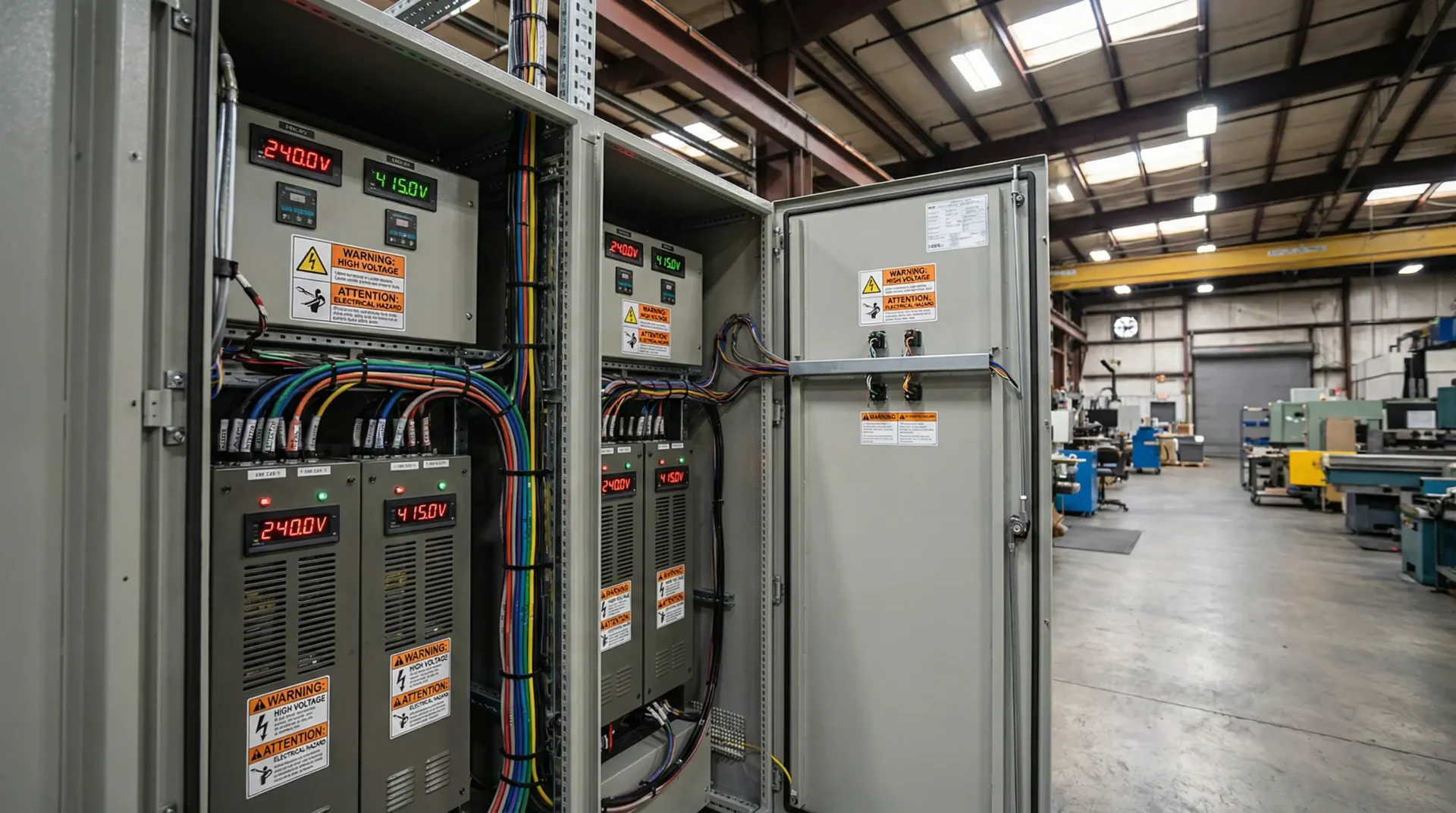
Last year, they chose a Servo stabilizer to save money. Three months later, voltage fluctuations hit. The Servo’s 300ms response time was too slow—their modern weaving machines shut down, damaging 200 spindles. Total loss: 80,000 RMB. The stabilizer they “saved” 3,000 RMB on cost them 27 times more in repairs.
The worst part? Production stopped for two weeks. They missed delivery deadlines and lost a major client.
When your equipment can’t tolerate even milliseconds of instability, the premium for IGBT technology isn’t a cost—it’s insurance.
Servo stabilizers excel in general industrial applications where cost-effectiveness matters more than ultra-fast response. They’re ideal for:
– Textile manufacturing: Motors and machinery that tolerate brief voltage variations
– Paper mills: Heavy equipment with significant electrical inertia
– Cement plants: Robust industrial environments
– Elevators and escalators: Building systems with standard protection needs
– HVAC systems: Climate control equipment
IGBT stabilizers are essential when equipment cannot tolerate voltage instability even for milliseconds:
– CNC machines: Precision manufacturing where voltage spikes cause tool damage
– Medical imaging: CT scanners, MRI machines requiring ultra-stable power
– Data centers: Server rooms where voltage fluctuations cause data corruption
– Telecommunications: Network infrastructure with zero tolerance for downtime
– Research laboratories: Precision measurement instruments
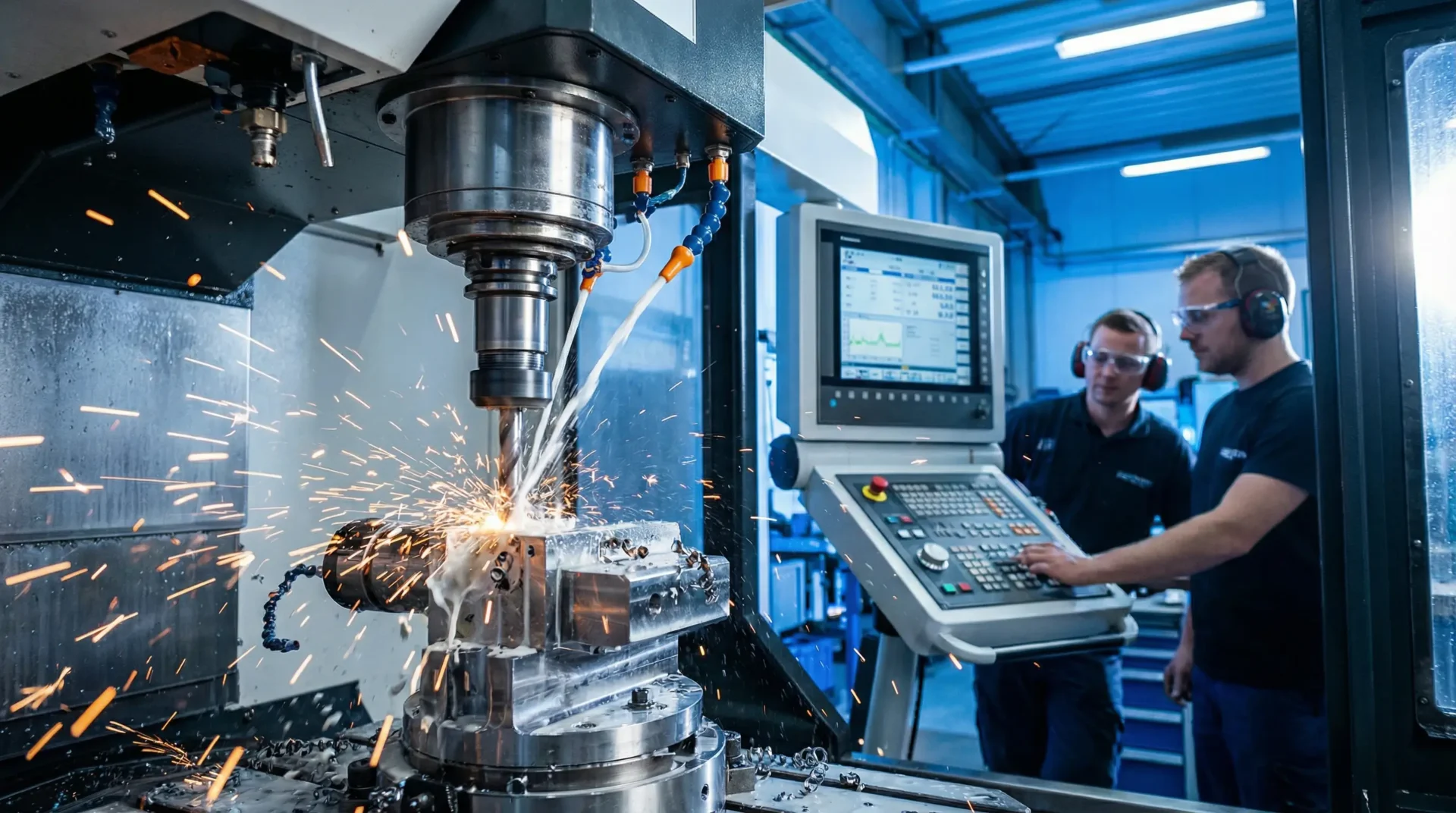
If you’re protecting general industrial equipment, Servo technology provides reliable protection at lower cost. If you’re protecting sensitive electronics or critical infrastructure, the premium for IGBT technology is insurance against catastrophic failure.
The Hidden Cost: Maintenance Requirements
The most overlooked difference is maintenance. Servo stabilizers have wearable parts—the carbon brush and the autotransformer winding contact surface. These require periodic inspection and replacement.
Carbon brush life depends on usage patterns and voltage fluctuation frequency. In areas with unstable power grids, brushes may need replacement annually or more frequently. The transformer winding also wears over time from brush friction.
IGBT stabilizers have no moving parts and no friction wear. The IGBT modules themselves are rated for hundreds of thousands of switching cycles—essentially the lifetime of the equipment. This maintenance-free operation reduces total cost of ownership and eliminates downtime for maintenance.
For remote installations or facilities without dedicated maintenance teams, IGBT’s maintenance-free design provides significant operational advantages.
Making the Right Choice
The decision framework is straightforward when you focus on your actual needs rather than marketing claims.
Choose Servo stabilizers when:
– Budget constraints are significant
– Protecting general industrial equipment
– Response time requirements allow 50ms+ correction
– Maintenance capability exists on-site
– Power fluctuations are relatively infrequent
Choose IGBT stabilizers when:
– Protecting expensive, voltage-sensitive equipment
– Millisecond-level response time is required
– Maintenance-free operation is a priority
– Equipment failure costs exceed the stabilizer price difference
– Critical applications (healthcare, data, communications)
If you’re a factory owner watching your equipment budget…
If you’re a procurement manager under pressure to cut costs…
If you’re a maintenance manager tired of emergency repairs at 2 AM…
If you’re a facility engineer who has had to explain why production stopped again…
If you’re a CEO who has signed off on equipment replacements that could have been prevented…
This decision is about more than specifications. It’s about protecting your livelihood, your team’s time, and your peace of mind.
The Antifragility Choice: Beyond Protection
Nassim Taleb’s concept of antifragility explains why IGBT technology represents more than just protection—it creates a system that thrives under volatility.
Fragile systems break under stress (like Servo stabilizers during voltage spikes). Robust systems resist stress (like high-quality Servo units). But antifragile systems actually gain from disorder and volatility.
How? By eliminating the source of failure before it can cause damage. IGBT’s 20ms response time means voltage fluctuations never become stressors in the first place. Your equipment doesn’t just survive. It operates as if the grid were perfectly stable.
This is the difference between buying insurance and buying immunity.
The Technology Trend
IGBT static stabilizers represent the future of voltage regulation. The technology advantages are compelling: 100x faster response, no mechanical wear, higher efficiency, and digital control capabilities.
As equipment becomes more electronically sophisticated and voltage-sensitive, the demand for IGBT-level protection continues growing. The cost differential is also narrowing as IGBT technology matures and production scales.
For new installations, especially with sensitive equipment, IGBT stabilizers provide future-proof protection. For retrofitting existing installations or protecting robust industrial equipment, Servo stabilizers remain a cost-effective choice.
Final Thoughts
The decision you make today will determine whether you’re celebrating reliable power three years from now—or explaining why production stopped again.
Voltage stabilizers aren’t like other equipment. You don’t see their value when everything is running smoothly. You see their value when the grid fails and your equipment keeps running.
That moment? It’s coming. Power grids are becoming less stable, not more. Climate stress, aging infrastructure, and increasing demand mean voltage fluctuations are the new normal.
The only question is whether you’ll be prepared—or the next headline.
“You don’t pay for a stabilizer with the purchase price—you pay with the consequences of getting it wrong.”
The cheapest option always ends up being the most expensive one.
Three key takeaways:
1. Response time matters more than you think—milliseconds prevent disasters
2. Maintenance-free operation has hidden value no spreadsheet shows
3. Choose based on total cost of ownership, not just the invoice
—
If this comparison helped you understand the difference, share it with your team.
Equipment protection decisions affect everyone—production managers, maintenance teams, and facility engineers. Make sure your stakeholders understand what’s at stake.
—
If you’re still unsure which stabilizer fits your facility, let’s talk.
YIY team can assess your equipment profile, power quality, and budget to recommend the right solution. No pressure—just expert guidance to protect your investment.
—
About YIY
Zhejiang Yiyen Holding Group Co., Ltd. (YIY) is a professional voltage stabilizer manufacturer with 16+ years of experience. With a 30,000 square meter modern facility and an annual production capacity of 100,000+ units, our products are exported to 130+ countries worldwide. We provide comprehensive OEM/ODM customization services and are ISO 9001:2015 certified, committed to delivering stable and reliable voltage protection solutions to global customers across 120+ long-term partnerships.
