
Oil Cooled vs Air Cooled Voltage Stabilizer: A Technical Comparison

Oil Cooled vs Air Cooled Voltage Stabilizer: Which Is Right for You?
An objective comparison of cooling methods in voltage stabilization
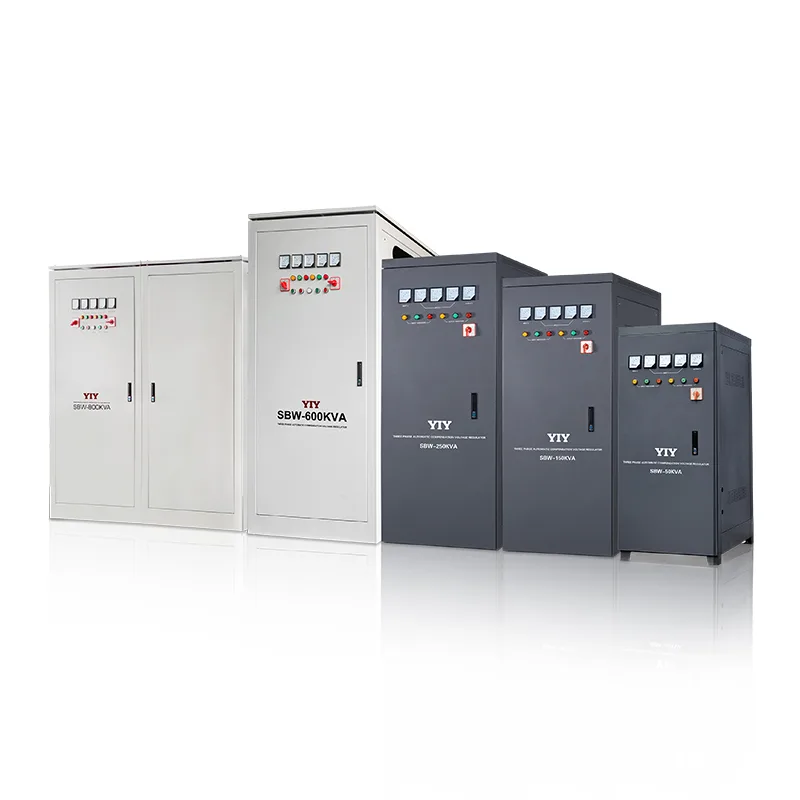
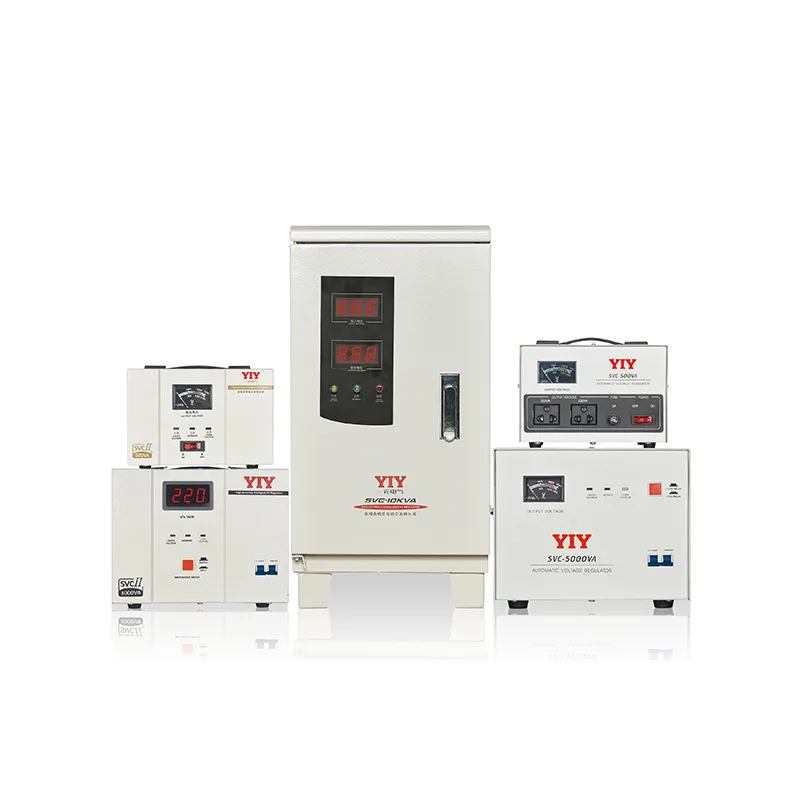
Detailed Comparison: Oil Cooled vs. Air Cooled Voltage Stabilizers
Voltage stabilizers are essential for protecting electrical equipment from voltage fluctuations. The primary distinction between different types often lies in their cooling mechanism. Oil Cooled and Air Cooled designs represent two common approaches, each with specific technical characteristics and operational implications. This comparison aims to provide an objective overview to assist in informed decision-making.
| Criterion | Oil Cooled | Air Cooled | Winner |
|---|---|---|---|
| Cooling Mechanism |
Dielectric Oil Immersion
Components are immersed in transformer oil, which acts as a dielectric insulator and transfers heat efficiently from internal windings and core to the stabilizer casing or external radiators.
|
Forced or Natural Convection
Heat is dissipated directly into the ambient air, either through natural convection currents or with the aid of forced air circulation using fans.
|
A |
| Thermal Dissipation Efficiency |
High
Oil possesses higher thermal conductivity and heat capacity than air, enabling more effective and uniform heat removal, particularly for high-power losses.
|
Moderate
Dependent on airflow and ambient temperature. Less efficient in dissipating concentrated heat, leading to higher internal operating temperatures for equivalent loads.
|
A |
| Noise Level |
Lower
The oil bath dampens mechanical vibrations from components like the servo motor, resulting in quieter operation compared to fan-cooled units.
|
Higher (with fans)
Units relying on forced air cooling utilize fans, which generate audible noise during operation. Natural convection units are silent but limited in capacity.
|
A |
| Maintenance Requirements |
Periodic Oil Checks/Replacement
Requires periodic inspection of oil level, dielectric strength, and potential replacement to ensure optimal cooling and insulation properties. Gasket integrity also needs monitoring.
|
Dust Removal/Fan Inspection
Requires regular cleaning of dust accumulation on heat sinks and internal components to maintain airflow. Fan functionality and bearing wear should also be checked.
|
Tie |
| Environmental Suitability |
Harsh/Dusty Environments
Sealed design protects internal components from dust, humidity, and corrosive agents, making them suitable for industrial or outdoor installations.
|
Clean/Controlled Environments
Vulnerable to dust and airborne contaminants, which can impede cooling and lead to component degradation. Best suited for clean, well-ventilated indoor spaces.
|
A |
| Size and Weight |
Larger and Heavier
The volume of oil and the robust tank construction contribute to a larger footprint and increased weight, particularly for higher capacities.
|
More Compact and Lighter
Generally more compact and lighter for equivalent power ratings due to the absence of oil and tank, simplifying installation in space-constrained areas.
|
B |
| Cost (Initial) |
Higher
The cost of dielectric oil, specialized tanks, and sealing mechanisms typically results in a higher initial purchase price.
|
Lower
Simpler construction and fewer specialized materials generally lead to a lower initial investment.
|
B |
| Lifespan |
Longer
Effective heat dissipation and protection from environmental factors contribute to a longer operational lifespan for internal components.
|
Moderate
Internal components can experience higher thermal stress, and exposure to contaminants may reduce overall lifespan if not properly maintained.
|
A |
Product Lineup Side-by-Side
Which Should You Choose: Oil Cooled or Air Cooled?
Choose Oil Cooled When…
- Your application requires high power capacity (e.g., 200KVA and above) where efficient heat dissipation is critical.
- The installation environment is harsh, dusty, humid, or potentially corrosive.
- Noise reduction is a priority, and a quieter operation is desired.
- Long-term reliability and component lifespan are primary concerns, justifying a higher initial investment.
- Maintenance personnel are available for periodic oil condition checks and replacements.
Choose Air Cooled When…
- Your power requirements are moderate to low (e.g., up to 200KVA) and thermal loads are manageable.
- The installation environment is clean, dry, and well-ventilated.
- Space and weight are significant constraints for your installation.
- Initial cost is a primary consideration, and a lower upfront investment is preferred.
- Ease of maintenance (primarily dust removal) is prioritized, and oil handling is undesirable.
Servo, Relay, and IGBT Technologies
Need Assistance Choosing Your Stabilizer?
YIY offers a range of voltage stabilizers to meet diverse industrial requirements. Our experts can help you assess your specific application.
Request QuoteFrequently Asked Questions
What is the primary function of the cooling mechanism in a voltage stabilizer?
Can an Air Cooled stabilizer be used in a dusty environment?
Are Oil Cooled stabilizers more efficient than Air Cooled ones?
What kind of oil is used in Oil Cooled voltage stabilizers?
How often does the oil in an Oil Cooled stabilizer need to be changed?
Do Air Cooled stabilizers require any specific installation considerations?
What are the safety considerations for Oil Cooled vs. Air Cooled units?
Explore More Voltage Stabilizer Solutions
Browse other selection dimensions to find the right fit for your project.
By Industry
By Technology
By Country
Get Expert Recommendation
Tell us your application and load profile — our engineers will recommend the right technology for your project.
Error: Contact form not found.