
Indoor vs Outdoor Voltage Stabilizer: Key Differences & Selection
Indoor vs Outdoor Voltage Stabilizer: Which Is Right for You?
An indoor voltage stabilizer is an AVR rated for enclosed environments with ≤95% non-condensing humidity; an outdoor unit is an IP54+ weatherproof AVR for external installation — both correct voltage instability but differ in enclosure, cooling method, and ambient temperature rating.
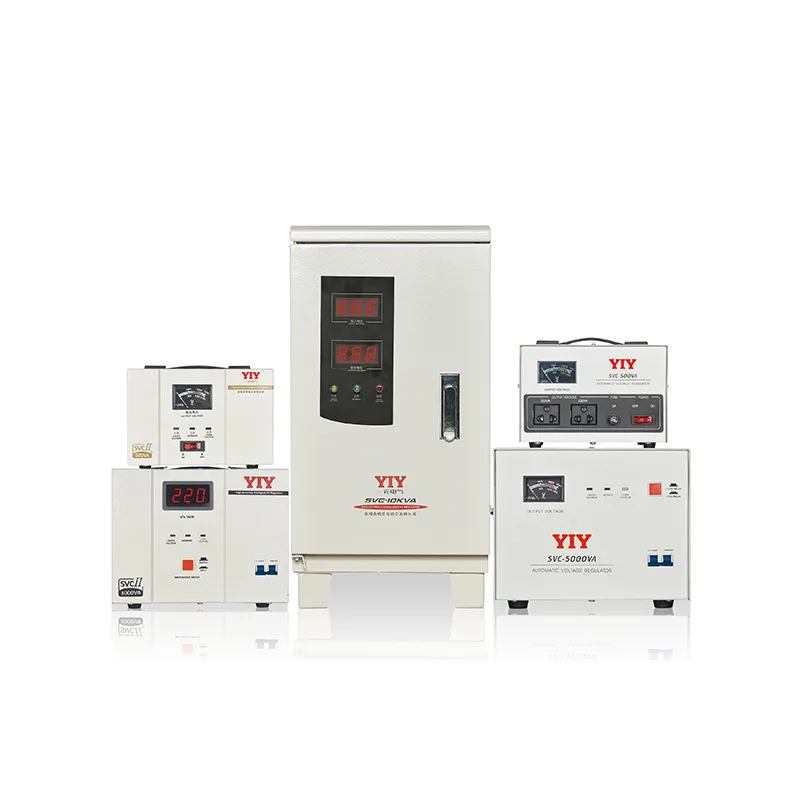
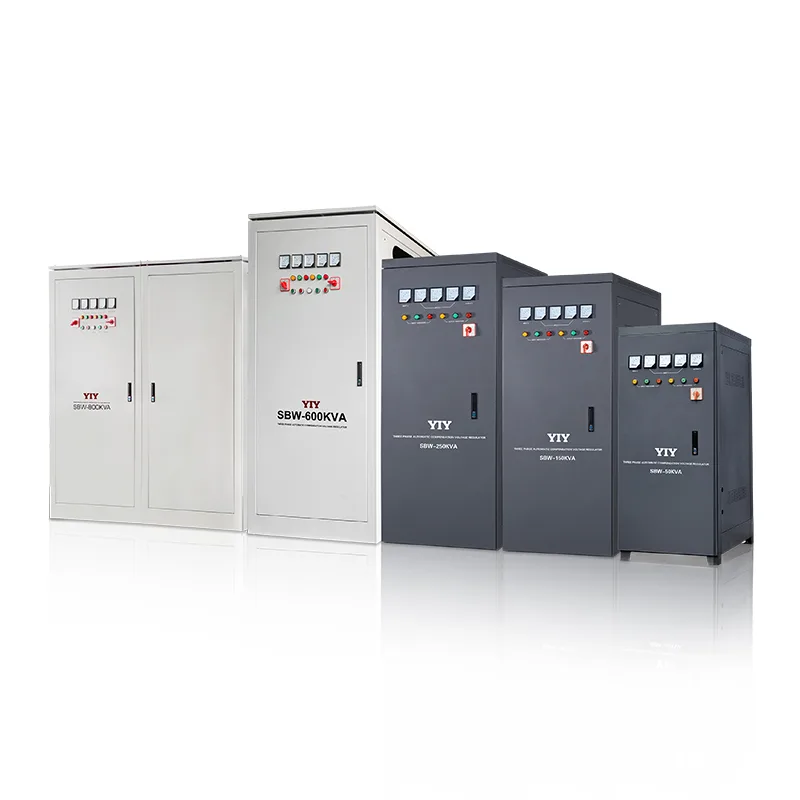
How Do These Voltage Stabilizers Compare?
Voltage stabilizers are critical for protecting equipment from voltage fluctuations. The choice between an indoor and an outdoor unit depends primarily on the operational environment and specific protection requirements. This analysis outlines the technical distinctions and application considerations for both types.
| Criterion | Indoor | Outdoor | Winner |
|---|---|---|---|
| Environmental Protection (IP Rating) |
IP20-IP30 (Typical)
Designed for controlled environments, offering protection against solid objects (e.g., dust, fingers) but minimal or no protection against liquids. Not suitable for direct exposure to weather elements.
|
IP54-IP65 (Typical)
Engineered with robust enclosures to withstand harsh environmental conditions, including dust ingress, rain, snow, and UV radiation. Higher IP ratings denote greater protection.
|
B |
| Enclosure Material & Construction |
Steel/Sheet Metal
Typically constructed from standard painted steel or sheet metal, focusing on aesthetics and basic structural integrity within a protected space. Ventilation is often integrated into the design.
|
Galvanized Steel/Stainless Steel/Aluminum
Utilizes corrosion-resistant materials and often features specialized coatings, gaskets, and seals to prevent water and dust ingress. Designed for durability against weathering and potential vandalism.
|
B |
| Temperature Range |
0°C to +40°C
Optimized for stable room temperatures. Operation outside this range may impact performance or lifespan if not specifically designed for wider indoor variations.
|
-25°C to +50°C (or wider)
Built to operate reliably across a broader spectrum of ambient temperatures, often incorporating active cooling or heating elements (e.g., fans, heaters) to maintain internal component stability.
|
B |
| Installation Requirements |
Wall-mount/Floor-standing
Requires installation within a building, sheltered from direct weather. Installation is typically simpler due to less stringent environmental considerations.
|
Pad-mount/Pole-mount/Wall-mount
Requires secure mounting on a stable foundation (pad, pole, or exterior wall) with consideration for accessibility, ventilation, and local electrical codes for outdoor installations. Often involves specialized cabling and grounding.
|
Tie |
| Maintenance & Accessibility |
Easier
Typically more accessible for routine checks and servicing due to location in a controlled environment. Less exposure to elements reduces wear on external components.
|
More Complex
Maintenance may require specialized access equipment and adherence to outdoor safety protocols. Enclosures are often more robustly sealed, potentially increasing service time.
|
A |
| Cost |
Lower
Generally lower manufacturing cost due to simpler enclosure requirements and less need for specialized environmental protection features.
|
Higher
Higher cost due to robust material requirements, advanced sealing, specialized cooling/heating, and more rigorous testing for environmental durability.
|
A |
How Does the Product Lineup Compare Side-by-Side?
Which Should You Choose?
Choose Indoor When…
- The stabilizer will be installed inside a building, warehouse, or climate-controlled facility.
- The ambient conditions are stable, free from direct exposure to rain, dust, extreme temperatures, or humidity.
- The primary concern is voltage regulation for internal electronic equipment, machinery, or data centers.
- Budget considerations prioritize standard protection and ease of indoor installation.
Choose Outdoor When…
- The stabilizer must be installed in an exposed environment, such as a factory yard, rural substation, or telecom site.
- The operational environment involves direct exposure to rain, snow, high humidity, dust, or wide temperature fluctuations.
- The application requires protection against environmental hazards, corrosion, and potential physical impact.
- Reliability in challenging external conditions is paramount, justifying the investment in a more robust unit.
Custom OEM/ODM solutions
Need a Voltage Stabilizer Solution?
YIY offers factory-direct pricing and expert consultation.
Request QuoteIndoor vs Outdoor Voltage Stabilizer: Environmental Specifications
| Attribute | Indoor Stabilizer | Outdoor Stabilizer |
|---|---|---|
| Enclosure Rating | IP20–IP31 | IP54–IP65 |
| Operating Temperature | 0 to +40°C | -25 to +55°C |
| Humidity Tolerance | ≤95% non-condensing | ≤100% with heater |
| Cooling Method | Natural / forced air | Sealed forced air |
| UV & Weather Resistance | Not required | UV-stable, rainproof |
| Typical Installation | Electrical rooms, workshops | Rooftops, telecom, off-grid sites |
Frequently Asked Questions
What is an IP rating and why is it important for voltage stabilizers?
Can an indoor voltage stabilizer be modified for outdoor use?
What are the typical power capacities available for indoor and outdoor units?
Are there specific maintenance differences between indoor and outdoor voltage stabilizers?
What kind of environmental conditions do outdoor stabilizers typically protect against?
Does YIY offer custom solutions for specific indoor or outdoor applications?
What is the typical lifespan difference between indoor and outdoor units?
Explore More Voltage Stabilizer Solutions
Browse other selection dimensions to find the right fit for your project.
By Industry
By Technology
By Country
Other Comparisons
Get Expert Recommendation
Tell us your application and load profile — our engineers will recommend the right technology for your project.
Error: Contact form not found.