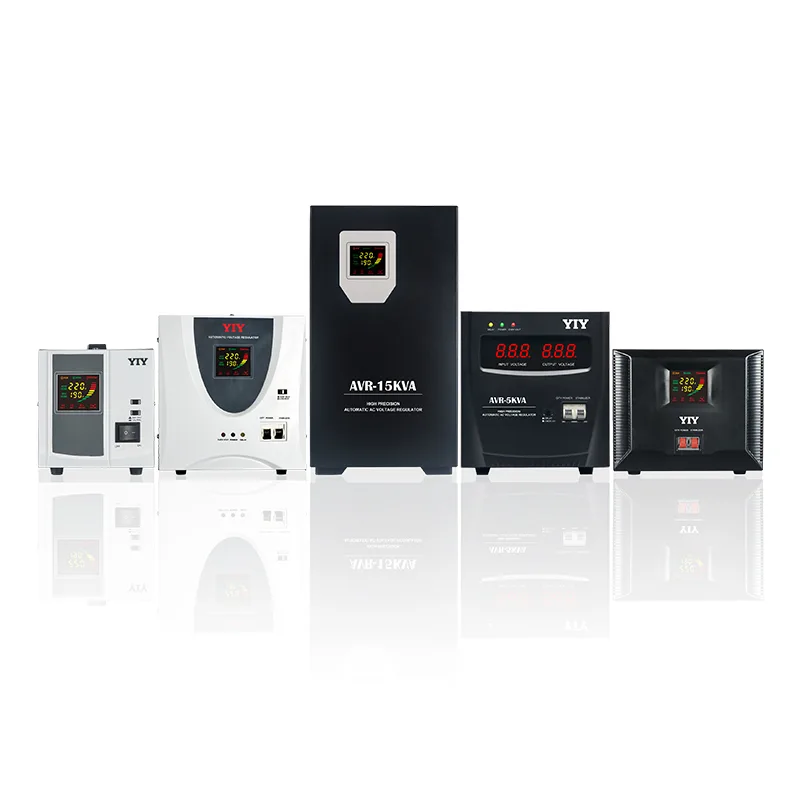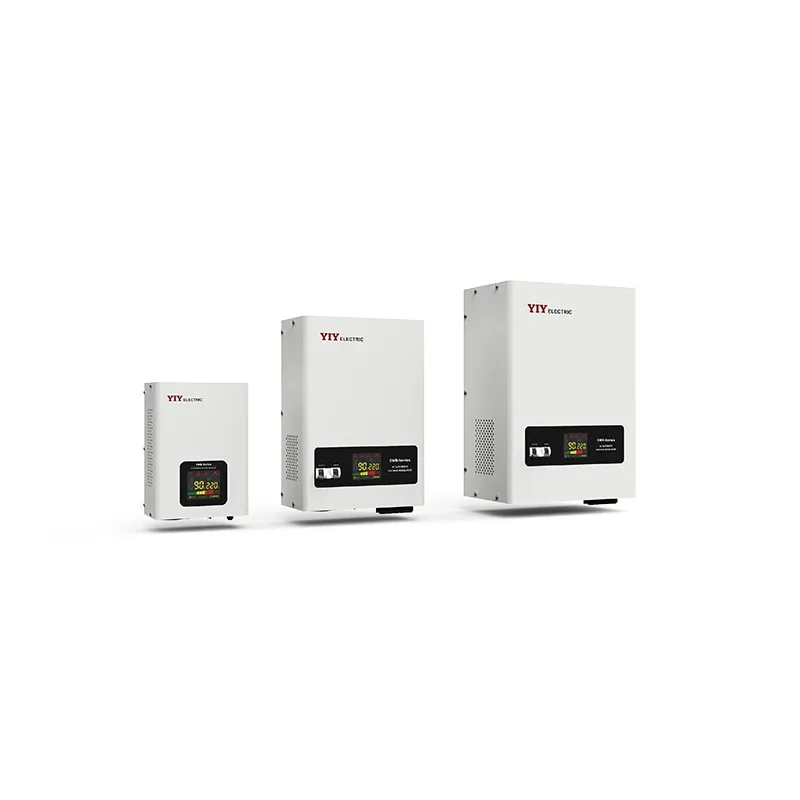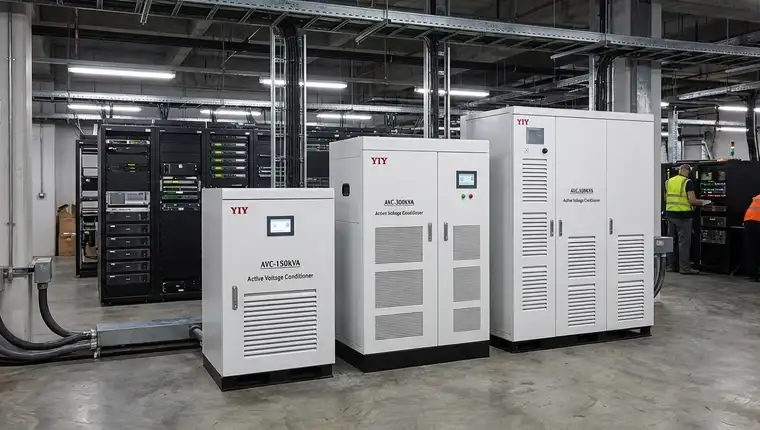
Voltage Stabilizer for Sound System: Complete Buyer’s Guide
Quick answer: A audio voltage stabilizer buying comparison guide page should help buyers confirm load type, voltage range, capacity, protection needs, and installation environment before requesting a quote.
Unstable grid power doesn’t just risk blown amplifiers; it silently degrades signal fidelity, introduces acoustic noise, and accelerates wear on critical audio assets. For procurement teams evaluating equipment for live venues, broadcast studios, or premium listening rooms, the financial and operational stakes are immediate. Selecting an optimal voltage stabilizer for sound system infrastructure requires moving past basic regulation specs and demanding measurable precision. This guide delivers a structured commercial comparison framework built for technical buyers. You will learn how to match power architectures to specific acoustic workloads, size units with verified safety margins, audit electrical compliance records, and streamline physical deployment planning. When evaluating mission-critical audio protection, the IGBT voltage stabilizer provides unmatched ±0.5% precision. Follow this evaluation process to eliminate costly guesswork and secure a vendor shortlist that guarantees signal purity and long-term asset protection.Identifying the Right Buyers and Audio Protection Requirements
Procuring a reliable power regulation framework demands a strategic shift from generic hardware selection to targeted risk mitigation. The primary decision matrix rests with DJ operators, live event engineers, Hi-Fi integrators, and facility managers overseeing commercial deployments. These technical leaders must continuously balance procurement budgets against long-term asset protection, treating power regulation as a non-negotiable signal chain component.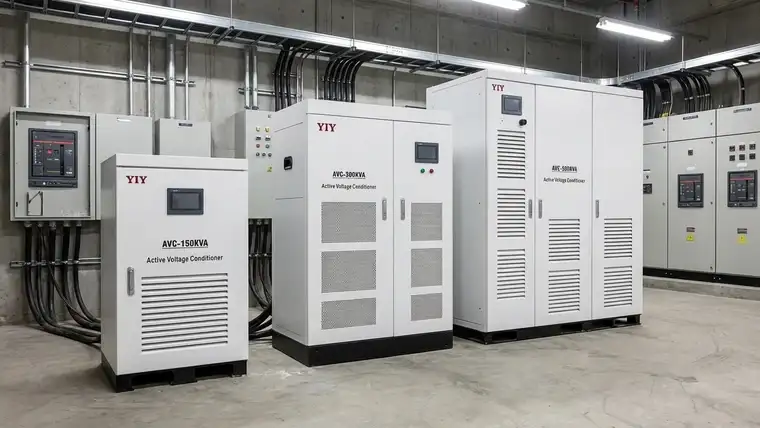
Upgrading Beyond Residential Conditioners
Standard residential power strips and basic conditioners completely lack the dynamic response required for professional acoustic workloads. Without adequate buffering, sudden grid load changes cause rapid voltage drops that trip amplifier fault circuits mid-performance. Industrial-grade architectures deploy robust isolation transformers and microprocessor-controlled feedback loops to deliver continuous, stabilized output instead. This heavy-duty construction utilizes reinforced steel cabinets that ensure consistent electrical headroom and prevent catastrophic thermal stress during extended high-volume event deployments.Architectural Differentiation in the Current Market
Vendor positioning heavily influences long-term procurement outcomes. Competitors like TSI Power predominantly engineer solutions for outdoor telecom shelters, prioritizing weatherproof ruggedness over acoustic transparency. YIY diverges from this paradigm by deploying superior indoor precision architectures tailored specifically for audio, DJ, and Hi-Fi integrators. While outdoor-focused brands emphasize physical durability for harsh climates, acoustic environments require electromagnetic shielding and ultra-low noise floors. By integrating advanced filtering stages and delivering tight regulation bands down to ±0.5%, YIY aligns hardware topology with the exact electrical tolerances required by mission-critical listening applications.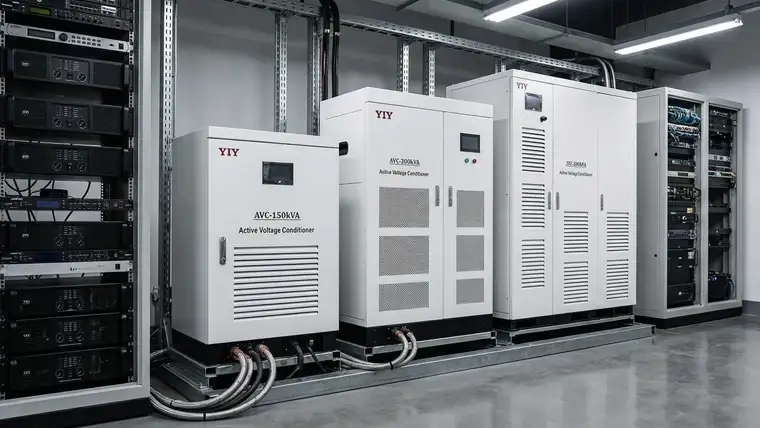
Comparing Stabilizer Architectures: IGBT, Servo, and Relay Technologies
Shortlisting the optimal power topology requires evaluating raw regulation metrics against your specific acoustic workloads. Engineers must balance precision tolerances, transient response speeds, and long-term maintenance overhead before committing to a deployment. Reviewing a stabilizer voltage regulator comparison helps buyers match topology to specific acoustic workloads and budget constraints.IGBT Topology: Mission-Critical Precision
IGBT architectures deploy a PWM-driven double-conversion (AC→DC→AC) topology managed by high-speed DSP controllers. This fully electronic design completely isolates the load from grid anomalies, aligning closely with established IEEE research on power conversion topologies that validate the superior transient response of solid-state switching. The resulting zero-noise floor and galvanic isolation make IGBT solutions mandatory for mission-critical audio environments. The absence of moving parts eliminates mechanical wear, effectively removing lifecycle maintenance costs and delivering rigid ±0.5% output precision regardless of severe input fluctuations.Servo Architecture: Balanced Industrial Performance
Servo stabilizers utilize a carbon-brush motor to continuously adjust an autotransformer variac, backed by real-time MCU monitoring. This electromechanical hybrid delivers regulation bands of ±0.5–3% and achieves full voltage correction within ≤1–2 seconds. The steady response effectively dampens transient surges without introducing audible artifacts, making it ideal for heavy touring DJ rigs and mid-tier studio installations. Facilities teams should budget for periodic brush inspections, though straightforward serviceability guarantees predictable total cost of ownership across heavy-duty deployments.Relay Mechanism: Cost-Efficient Tap Switching
Relay units operate through discrete electromagnetic switches that instantly engage different transformer winding turns when grid voltage deviates. Step adjustments yield a wider ±5–8% precision tolerance, but switching cycles execute in milliseconds to rapidly counter brownouts. This mechanical simplicity delivers the lowest capital expenditure, making it highly viable for general-purpose music systems where absolute phase coherence and ultra-low noise floors are secondary to budget compliance. Maintenance demands remain exceptionally low, requiring only occasional contact cleaning to sustain operational stability.Stabilizer Architecture Comparison Matrix
| Architecture | Regulation Precision | Response Time | Maintenance Needs | Ideal Audio Application |
|---|---|---|---|---|
| IGBT (PWM/Double-Conversion) | ±0.5% | <10ms (Electronic) | None (Solid-State) | Mission-critical mastering, broadcast, high-end reference monitoring |
| Servo (Motor-Variac/MCU) | ±0.5–3% | 1–2s (Electromechanical) | Low (Brush/Carbon inspection) | Live touring rigs, commercial venues, heavy multi-amp installations |
| Relay (Tap-Switching) | ±5–8% | 10–50ms (Switching) | Minimal (Contact cleaning) | Entry-level PA, background music systems, budget-constrained setups |
Application-Fit & TCO Mapping
Matching topology to deployment parameters streamlines the final shortlist. Choosing between servo vs IGBT technology directly impacts long-term maintenance costs and noise floors. Prioritize IGBT for critical listening chains demanding absolute electromagnetic silence. Select a servo voltage stabilizer for industrial audio where mechanical durability dictates optimal lifetime value under fluctuating utility conditions. Deploy relay architectures only when strict budgets require immediate surge mitigation without compromising basic stability.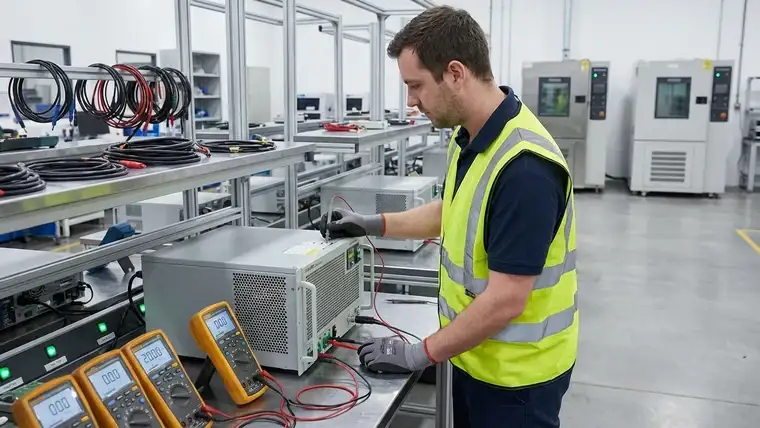
Sizing Your Voltage Stabilizer for Music Systems and Live Setups
Step-by-Step Load Aggregation
Procurement teams must catalog the exact VA or wattage for every active component in the signal chain before evaluating specifications. Sum the nameplate ratings of power amplifiers, digital mixers, active subwoofers, and outboard DSP racks to establish an accurate baseline draw. Converting all consumer wattage figures into a unified VA metric utilizing standard power factors prevents the common purchasing error of underestimating peak consumption based solely on circuit breaker labels.The 20–30% Safety Multiplier Rule
Operators should never deploy a regulation unit at a strict 1:1 capacity against the aggregated sum. Knowing how to size stabilizer for sound system configurations requires multiplying your total baseline load by 1.2 to 1.3. This safely absorbs heavy inrush capacitors during power-up, rapid transient peaks during dynamic audio passages, and near-term equipment expansion. A properly engineered voltage stabilizer for music system environments demands this critical headroom buffer to prevent thermal stress and nuisance tripping under real-world loads. Capping your selection at 130% of peak demand eliminates expensive capital waste while maintaining fast correction speeds.Phase-Based Deployment Logic
The final kVA requirement dictates whether your facility utilizes single-phase distribution or requires a three-phase architecture. Smaller touring setups and clubs operating below 30kVA typically benefit from single-phase designs that simplify cable routing and localized rack mounting. Massive arenas and permanent commercial installations exceeding this threshold demand a dj sound voltage stabilizer configured for three-phase input to distribute heavy current evenly across the utility grid. Referencing a voltage stabilizer industrial technical guide ensures proper load distribution and prevents dangerous thermal bottlenecks in commercial building panels.High-Fidelity & Audiophile Integration
Boutique installations require load sizing combined with aggressive noise isolation to protect highly sensitive analog front ends. When specifying the best audio voltage stabilizer for hifi integration, confirm that the chosen topology maintains adequate headroom without generating switching transients or audible electromagnetic interference. Premium voltage stabilizer for audiophile equipment configurations often dedicate isolated secondary circuits to power amplifiers, effectively separating high-draw transients from delicate preamplifier stages. Matching precise capacity calculations to your specific topology locks in measurable sonic transparency alongside long-term reliability.Evaluating Compliance, Certification, and Electrical Noise Standards
Regulatory alignment directly dictates whether a power unit protects your acoustic assets or actively degrades signal quality. Procurement teams must separate legal requirements from optional quality markers before finalizing vendor shortlists.Grid Standardization and Electromagnetic Compatibility
Verify that all candidate architectures align with IEC 60038 standards for global nominal voltage standardization and grid compatibility. Proper alignment guarantees seamless integration with local utility infrastructure while preventing dangerous phase mismatches during cross-border deployments. Equally critical is strict adherence to IEC 61000 EMC/EMI protocols. These protocols guarantee the stabilizer itself does not inject switching transients, harmonic distortion, or audible hum into sensitive audio signal paths. A unit lacking robust electromagnetic shielding will pollute your system noise floor, regardless of its advertised regulation speed.Mandatory Quality and Market Access Requirements
Operational compliance demands documented proof of manufacturing discipline and authorized market access. Audit logs must confirm valid adherence to ISO 9001:2015 certification guidelines to verify rigorous quality management across design, assembly, and final inspection cycles. For European or international distribution channels, explicit CE marking remains non-negotiable to confirm electrical safety and interference immunity thresholds. Reviewing environmental ISO 14001 documentation further demonstrates a supplier’s structured approach to sustainable manufacturing and risk mitigation. Together, these credentials instantly filter out untested gray-market hardware from your evaluation matrix.Verifying Test Data During Vendor Shortlisting
Technical buyers must aggressively distinguish between accredited laboratory results and unverified marketing claims. Always demand original, hologram-stamped third-party test reports from recognized certification bodies instead of accepting internal factory summaries. Cross-reference reported load test conditions and harmonic distortion metrics against your specific acoustic tolerances to uncover hidden performance gaps. Require engineering teams to map their verified EMC test data directly to your deployment environment before releasing purchase orders. Validated documentation transforms speculative hardware selection into fully auditable procurement decisions.Implementation Pathways and Engineering Consultation
Manufacturing Scale and Deployment Reliability
Translating raw electrical specifications into long-term operational stability demands proven manufacturing infrastructure and transparent production metrics. YIY engineers rigorously validate 0.5KVA–3000KVA stabilizer architectures within a dedicated 30,000㎡ modern production facility to guarantee consistent acoustic precision under heavy continuous broadcast loads. This extensive global deployment footprint, currently fully operational across 130+ countries, delivers commercial procurement teams verifiable supply chain reliability alongside standardized assembly quality control.Factory Acceptance Testing and Site Integration
Every industrial power unit completes rigorous factory acceptance testing (FAT) cycles that actively simulate severe grid transients before leaving the primary assembly line. Technical specialists execute custom input/output voltage mapping algorithms to align seamlessly with regional utility fluctuations and complex commercial venue electrical architectures. This comprehensive pre-deployment validation guarantees immediate installation readiness for premium live audio environments, strictly eliminating costly on-site commissioning delays.Pre-Quote Data Compilation and Engineering Alignment
Compile your fully detailed active equipment inventories, measured nominal input voltage ranges, and precise operational floor plans before submitting formal procurement inquiries. Forwarding this exact technical dataset enables internal engineering groups to instantly verify optimal topology fits, calculate definitive safety margins, and eliminate speculative sizing errors. Direct engineering consultations bypass generic catalog recommendations to secure mission-critical hardware matches, ensuring final commercial quotations synchronize perfectly with your professional signal chain architecture.Frequently Asked Questions
What should buyers evaluate before choosing a voltage stabilizer for sound system installations?
Focus on topology precision, transient response speed, and long-term maintenance overhead. For professional deployments, prioritize IGBT or servo architectures over residential conditioners to prevent audible hum and protect sensitive front ends. Verify that the hardware topology aligns with your exact indoor electrical tolerances, acoustic workloads, and mandatory EMI shielding protocols before releasing any purchase orders.How is kVA capacity correctly calculated for multi-component audio and DJ rigs?
Aggregate the exact VA or wattage ratings from every active amplifier, digital mixer, and DSP rack. Convert all figures into a unified VA metric using standard power factors, then multiply the total baseline by 1.2 to 1.3. This strict 20–30% safety buffer absorbs massive inrush currents and dynamic audio transients, ensuring stable voltage without thermal overload.Which certifications confirm that a power regulator will not introduce electrical noise into high-fidelity audio lines?
Demand strict compliance with IEC 61000 EMC/EMI standards, which guarantee the unit will not inject switching transients or harmonic distortion into critical signal paths. Cross-check these metrics against ISO 9001:2015 manufacturing logs and valid CE marking. Always request original, third-party EMC laboratory reports to instantly filter out untested hardware that pollutes system noise floors.Final Thoughts
Precision voltage regulation is a foundational investment in audio integrity, never an optional accessory. Building a reliable procurement shortlist hinges on three verifiable criteria: matching power topology to your exact acoustic workload, enforcing the strict 20–30% safety multiplier during capacity planning, and auditing third-party IEC and ISO compliance documentation before issuing purchase orders. Adhering to this matrix eliminates silent signal degradation, extends capital equipment lifecycles, and guarantees consistent acoustic transparency across demanding deployments. To bypass generic catalog filtering, compile your aggregated VA baseline, confirmed input voltage variance, and specific EMC shielding requirements. Submit these exact technical parameters to our engineering team for a validated model shortlist and customized commercial quote.About YIY Zhejiang Yiyen Holding Group Co., Ltd. (YIY) is a professional voltage stabilizer manufacturer with 16+ years of experience. With a 30,000sqm modern facility and an annual production capacity of 1,000,000+ units, our products are exported to 130+ countries. We provide OEM/ODM customization services and are ISO 9001:2015 certified, committed to delivering stable and reliable voltage protection solutions to global customers. Contact Us Email: yiyen@yiyen.com Phone/WhatsApp: +86 13587452904 Website: https://www.yiyavr.com/ If you found this article helpful, contact us for a sizing review or customized solution.