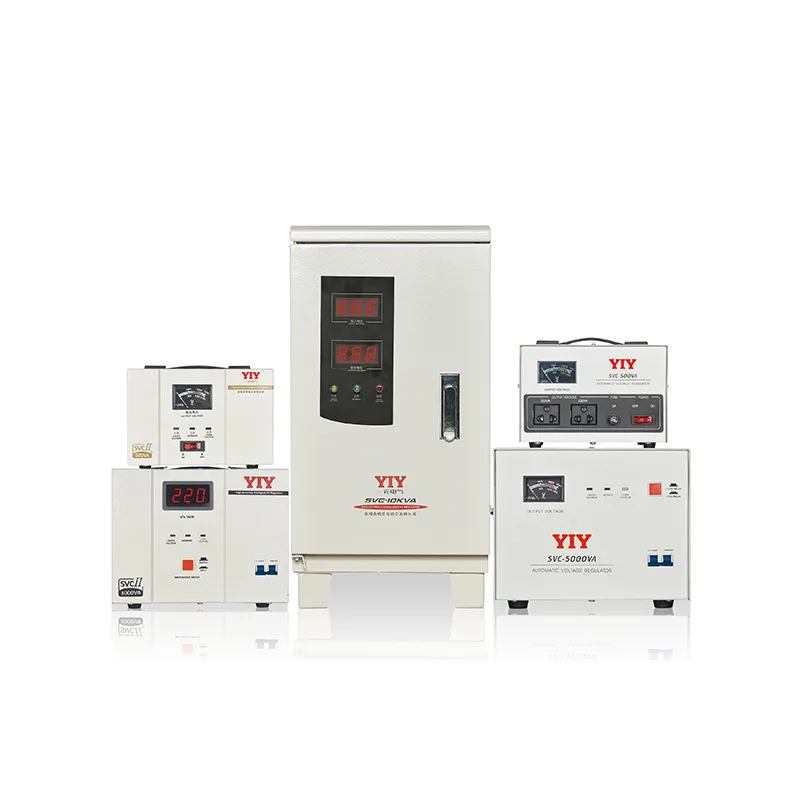
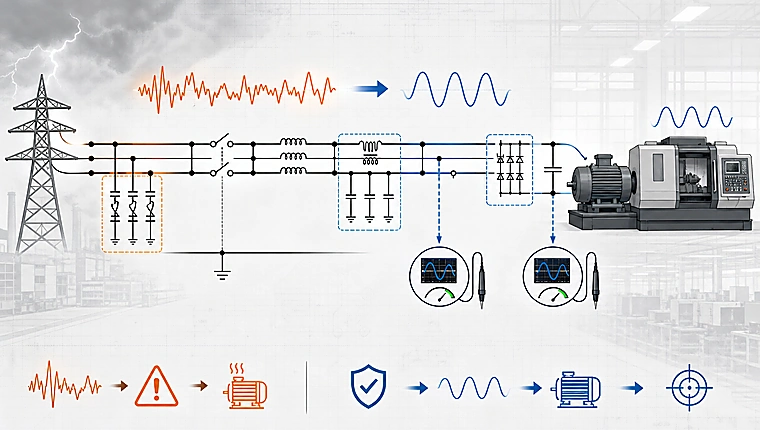
The servo stabilizer price changes because your quote is not only buying kVA capacity; it is buying phase configuration, voltage correction range, regulation accuracy, transformer material, protection, cooling, enclosure, and service support.
Two suppliers can quote the same 5kVA or 10kVA label while offering very different electrical margins and lifecycle value.
This guide will help you compare what is inside a quote, how servo technology affects cost, when another topology may fit better, and which checks you should complete before approving an RFQ.
Why Do Servo Stabilizer Quotes Vary So Much?
You see wide quote gaps because suppliers are often pricing different capacity margins, winding materials, input ranges, protection packages, and service assumptions. A low price can be reasonable for a simple load, but it can also hide undersizing, a narrow correction range, no bypass, weak surge protection, or limited after-sales coverage.
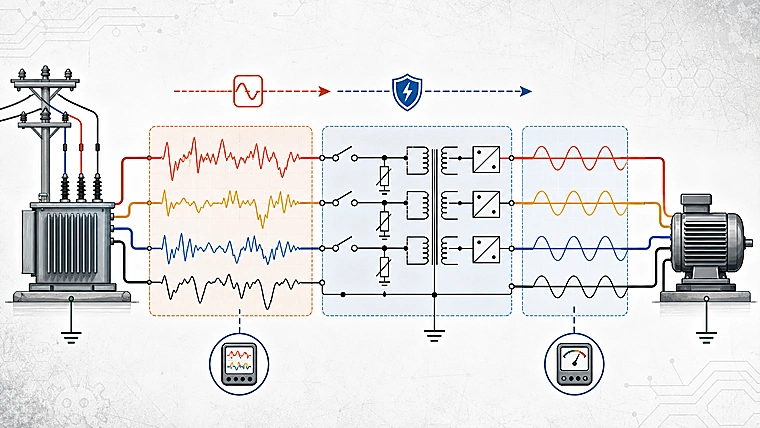
Your first job is to normalize the RFQ before comparing one servo voltage stabilizer model with another. A 5kVA single-phase unit, a 10kVA three-phase unit, and a plant-level stabilizer may all appear in a price list, but their transformer size, variac assembly, contact system, phase control, cabinet design, and overload duty can differ materially.
The practical point is simple: kVA is capacity, not proof of fit. If your real load includes motors, compressors, welders, CNC drives, HVAC equipment, or high inrush current, a cheaper unit may be operating close to its limit from day one.
Nominal voltage context also matters when you define the correction range. IEC 60038 standard voltages provides the international reference for standard AC voltage levels, so your RFQ should state whether your site is based on 230V, 400V, 415V, 480V, or another local standard. For you, this prevents wrong transformer ratios, wrong protection thresholds, and misleading price comparisons.
Common RFQ mismatches include:
- kVA vs real load: nameplate capacity may ignore power factor, starting current, and continuous duty.
- Phase configuration: single-phase and three-phase designs use different control and protection layouts.
- Input range: a +/-15% correction range and a +/-30% correction range are not equivalent; wider correction usually needs more material and stronger thermal design.
- Output tolerance: +/-1-3% regulation means tighter voltage control, which helps sensitive equipment see less voltage drift.
- Enclosure and cooling: dusty, humid, or hot sites may need stronger ventilation, filters, IP-rated cabinets, anti-corrosion treatment, or oil cooling.
- Protection package: bypass, surge protection, overload, short-circuit, phase-loss, and delay functions may be standard in one quote and optional in another.
- Warranty and service: spare parts access, response expectations, and destination support affect real operating cost.
Before you reject a higher quote, check whether it includes the items your site actually needs. For contractors, OEM buyers, wholesalers, and maintenance managers, the bigger risk is not paying slightly more; it is approving a unit that trips, overheats, or leaves the customer load exposed during grid instability.

Which Quote Factors Change the Real Price?
A useful servo voltage stabilizer price list should be treated as a specification filter, not a final purchasing decision. You can only compare the price of servo stabilizer models fairly after you match each row to your load profile, site voltage data, protection needs, and maintenance plan.
Rows such as servo stabilizer 5kVA price, 5kVA servo stabilizer price, servo stabilizer 10kVA price, or 10 kVA servo stabilizer price in India become meaningful only when the specification behind each number is visible. Last verified: 2026-05-26.
| Quote factor | Why it changes price | What it means for you |
|---|---|---|
| Capacity and kVA margin | Higher kVA needs a larger transformer, variac, cabling, protection, and cabinet. | If your load has inrush or expansion plans, a small margin can prevent overheating and nuisance trips. |
| Single-phase vs three-phase | Three-phase units need phase monitoring, heavier switching, and more complex protection logic. | Your RFQ should state whether the load is single-phase, balanced three-phase, or mixed. |
| Transformer material | Copper windings usually cost more than aluminum but support better conductivity and thermal performance. | Ask for winding material, temperature rise, insulation class, and duty rating. |
| Input correction range | Wider correction, such as +/-30% instead of +/-15%, requires more robust components. | Use logged site voltage rather than assuming nominal grid voltage is enough. |
| Output accuracy | Tighter regulation, such as +/-1-3%, needs finer control and stable mechanical/electrical design. | Sensitive controls see less voltage drift, but general loads may not need the tightest tolerance. |
| Response and fluctuation duty | Frequent voltage swings stress the servo motor, controller, variac, and brush assembly. | Share fluctuation frequency and dip behavior so the supplier does not quote a light-duty unit. |
| Protection package | Bypass, surge protection, overload, short-circuit, delay, phase loss, and phase sequence protection add cost. | Missing protection can turn a supply fault into production downtime. |
| Metering and visibility | Digital meters, alarms, event logs, and communication ports support maintenance. | Your maintenance workflow gets clearer fault evidence instead of guesswork after a trip. |
| Enclosure and environment | Heat, humidity, dust, corrosion, altitude, and poor ventilation may require stronger cabinets or cooling. | Site conditions can change the correct model even when kVA is unchanged. |
The business logic is straightforward: a cheaper automatic voltage regulator can become expensive if voltage trips cause downtime, product scrap, control board failure, or service disputes. Your best quote is the one that protects uptime at the required specification, not the one with the lowest headline number.
How Does Servo Technology Affect the Final Cost?
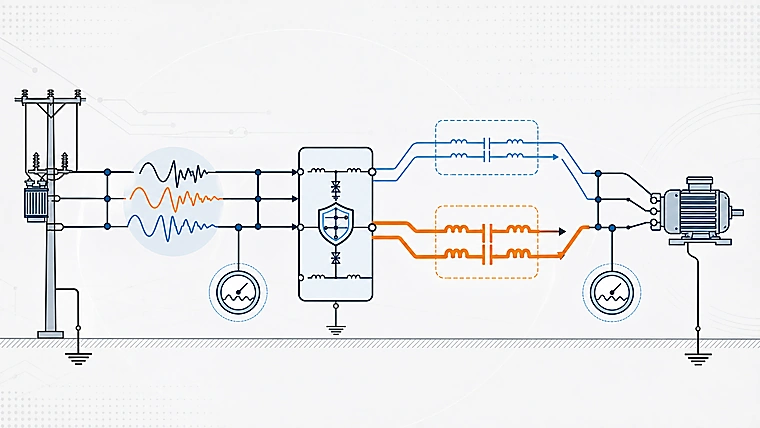
Servo regulation affects your cost through its motor-driven variac or autotransformer mechanism, MCU control quality, carbon brush assembly, correction speed, and serviceability. You are paying for both voltage-control performance and maintainable electromechanical hardware.
A typical servo stabilizer uses an MCU to monitor input voltage continuously. When voltage rises or falls, the controller commands a servo motor to move a carbon brush along an autotransformer or variac, changing the turns ratio until output voltage returns to the target range.
For you, that means the stabilizer is not simply switching taps. It is mechanically adjusting the transformer position to correct voltage smoothly. A better control board, servo motor, gear system, brush holder, winding, and contact surface can raise the quote, but those components also reduce nuisance faults and service disputes.
| Topology | Cost tendency | Response behavior | Maintenance | Best-fit loads |
|---|---|---|---|---|
| Relay AVR | Lowest | Step-based switching | Low, though relay wear exists | General appliances and low-cost protection |
| Servo AVR | Mid-range | Smooth electromechanical correction | Brush and contact inspection required | Industrial loads, motors, HVAC, workshops, mixed equipment |
| IGBT/static AVR | Highest | Very fast electronic correction | Lower mechanical wear | Medical, semiconductor, precision test, and highly sensitive processes |
Servo designs are commonly selected because they balance cost, capacity, and reliability for many industrial loads. If your site needs stable voltage for machinery but does not require ultra-fast electronic correction, this capacity tier often gives a practical cost-performance point.
Where servo may not fit is just as important. If your process needs very fast correction, has highly sensitive semiconductor equipment, or cannot accept brush maintenance, an IGBT voltage stabilizer or static regulator may justify the higher upfront cost.
For dusty, humid, hot, or unstable-grid environments, specify ventilation, filters, enclosure/IP expectations, anti-corrosion treatment, and alarm or event-log visibility. These details can raise the quote, but they are easier to budget before purchase than after installation problems appear.
Which Site Specifications Should You Confirm Before RFQ?
Your right price depends on measured site voltage, actual load current, starting surge, load sensitivity, ambient conditions, installation layout, and service expectations. Treat this as your acceptance screen before comparing a servo AVR, relay stabilizer, or IGBT/static regulator.
If your project is a three-phase main-line installation, use your phase configuration, motor behavior, and plant-level load profile as the starting point. For deeper sizing logic, this 3 phase main line stabilizer sizing guide can help you pressure-test the kVA and application assumptions.
| Check | Why it matters | If you skip it |
|---|---|---|
| Rated kW/kVA and power factor | kW shows real power; kVA shows current demand. Power factor helps convert between them for proper transformer sizing. | You may buy a unit that looks large enough but overheats under real current. |
| Peak current and motor starting | Motors and compressors can draw several times running current at startup. | Your stabilizer may trip, contact surfaces may wear faster, or loads may fail to start. |
| Harmonic and nonlinear loads | VFDs, UPS systems, welders, rectifiers, and CNC drives distort current waveform. | The quote may ignore heating, acoustic noise, or unstable regulation under distorted current. |
| Operating hours and expansion margin | Continuous duty and planned load growth affect copper size, cooling, and cabinet design. | A low-cost unit can become undersized after your next production upgrade. |
| Input voltage log and frequency | Recorded min/max voltage, fluctuation pattern, and 50/60Hz frequency define the required correction range. | A supplier may quote a narrow range when your site actually needs wider correction. |
| Dust, humidity, heat, altitude, ventilation | Environment reduces cooling margin and changes enclosure requirements. | Components age faster, and warranty disputes become harder to resolve. |
| Output tolerance and correction speed | Sensitive controls may need tighter regulation, often discussed as +/-1-3% output tolerance. | You may overpay for precision you do not need, or underprotect sensitive loads. |
| Overload, bypass, short-circuit, surge protection | These functions define what happens during faults and maintenance. | A fault can stop production instead of being isolated or bypassed safely. |
| Metering, alarms, event logs, access | Visibility helps your maintenance workflow verify faults and plan service. | You troubleshoot blindly after a trip, which increases downtime risk. |
You should also confirm installation clearance, cable entry, floor or wall mounting, lifting access, ventilation space, and maintenance access before final drawings. These layout details affect enclosure size, delivery packaging, commissioning time, and serviceability.
For a broader workflow, use industrial voltage stabilizer selection to organize measured voltage, connected load, inrush, phase configuration, and site conditions before asking suppliers to quote. For you, that turns the RFQ from a price request into a fit request.
How Should You Evaluate the Supplier Behind the Quote?
You should evaluate the supplier by technical transparency, manufacturing capability, documentation, service support, and willingness to compare topology fit before pushing one product. The cheapest number matters less if the supplier cannot explain the assumptions behind it.
Ask for a complete datasheet, wiring diagram, protection list, rated duty conditions, enclosure details, spare-parts policy, lead time, warranty scope, and test documentation. If your quote involves export supply, also confirm packaging, Incoterms, customs documentation, nominal voltage, frequency, cable requirements, and destination support.
A stronger supplier should be able to tell you when servo is not the best fit. For example, relay may be acceptable for simple low-cost loads, while IGBT/static regulation may be the better route for highly sensitive or fast-fluctuation applications. That comparison protects your project from buying the wrong technology at a tempting price.
YIY’s review path is technical rather than quote-first. With your voltage log, load list, starting current, environment, and maintenance expectations, YIY can help compare servo, relay, and IGBT options against your real conditions. YIY brings 16+ years of experience, a 30,000sqm facility, 1,000,000+ annual capacity, exports to 130+ countries, OEM/ODM support, and an ISO 9001:2015 quality system.
ISO describes ISO 9001 as a quality management standard focused on consistent products and continual improvement; you can verify the official ISO 9001 quality management standard. For procurement, the practical action is to request the supplier’s current certificate, scope, issuing body, and expiry date rather than accepting a logo in a brochure.
Frequently Asked Questions
How Should You Compare Pricing for Servo Stabilizer 10kva?
Compare a 10kVA quote by phase type, input correction range, output tolerance, winding material, bypass, surge protection, cooling, warranty, and rated duty conditions. If motor loads are involved, ask the supplier to verify starting current and headroom rather than relying on the 10kVA label alone.
What Should You Check Before Comparing 5kVA Servo Stabilizer Quotes?
Check connected kW/kVA, power factor, peak current, voltage fluctuation range, phase type, input/output voltage range, regulation accuracy, overload capacity, and enclosure requirements. For sensitive loads, verify whether +/-1-3% output tolerance is included or optional.
How Can You Compare 5kVA Prices Between Suppliers?
Normalize every quote into the same format covering kVA, phase, correction range, output accuracy, winding material, protection functions, metering, lead time, warranty, spare parts, and after-sales terms. Ask each supplier to mark deviations from your RFQ so a low quote cannot hide missing bypass, weak protection, or unsuitable duty rating.
Can India Servo Stabilizer Pricing Guide an International RFQ?
India servo stabilizer pricing can provide a market reference, but your international RFQ should also include export packaging, freight, customs, certification needs, voltage customization, documentation, Incoterms, and destination service support. A concrete verification action is to request the HS code, test report format, certificate requirements, nominal voltage, frequency, and shipping terms before using a local price as your benchmark.
What Should You Do Before Approving the Quote?
You should treat price as the result of fit, not the starting point. A unit that is undersized, poorly matched to motor inrush, missing bypass protection, or unsuitable for heat, dust, humidity, or unstable grids can turn a small purchasing saving into downtime, warranty disputes, or equipment damage.
Start with a quick first-pass review: compare your quote against phase type, kVA margin, input range, output tolerance, protection package, enclosure, cooling, service access, and maintenance expectations. If you are moving from quote review into supplier comparison, this guide to compare before buying a voltage stabilizer can help you structure the final decision.
Then send YIY your load details, measured voltage range, phase type, application, installation environment, and service expectations for a technical fit review. The goal is not to force every project into servo; it is to confirm whether servo, relay, or IGBT gives your site the best balance of protection, maintainability, and budget.