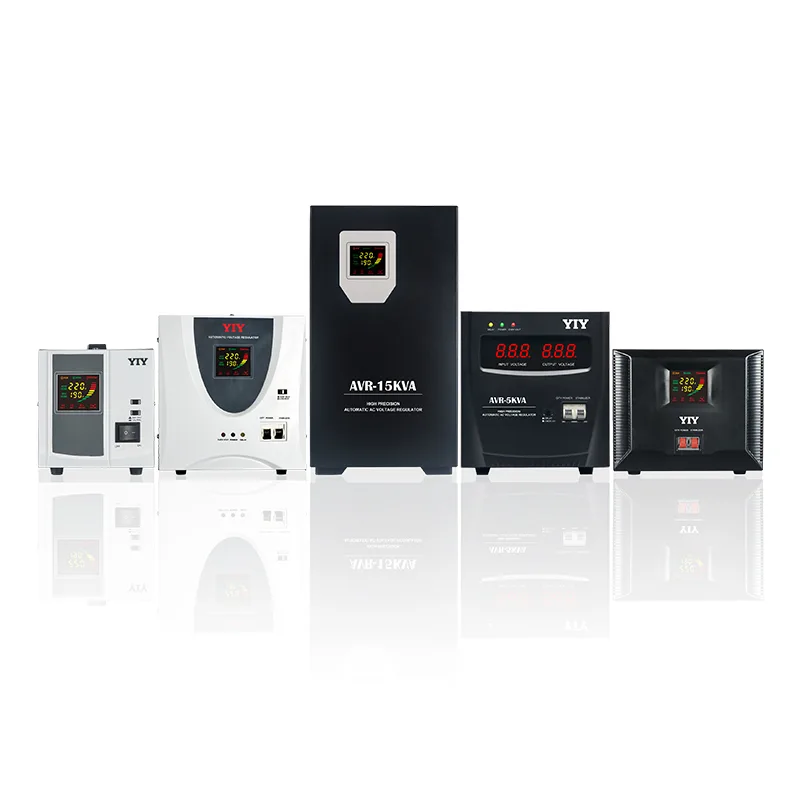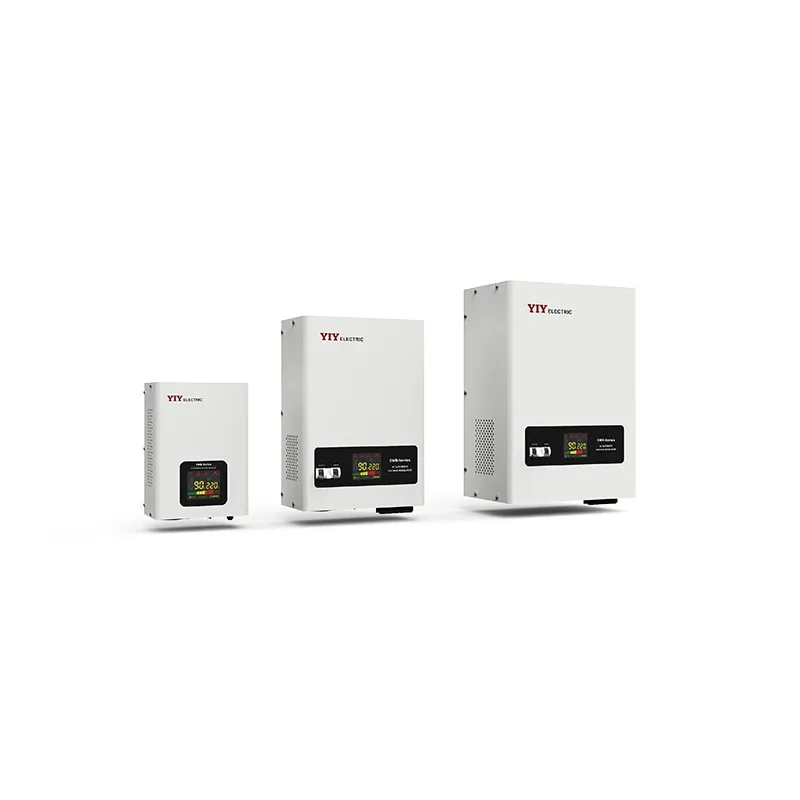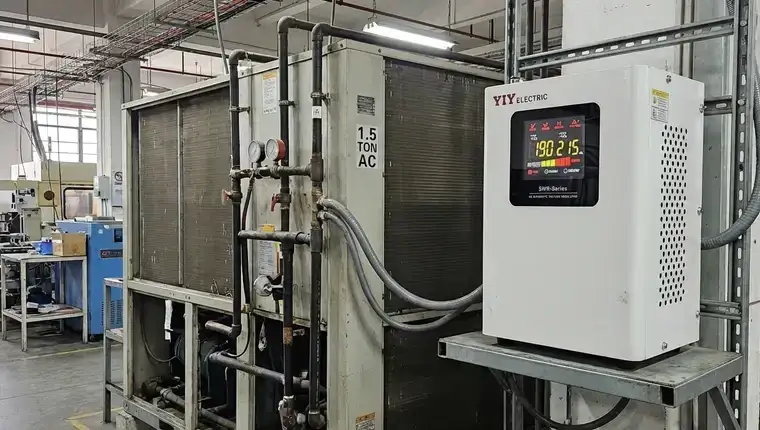
Unstable grid voltage silently degrades compressor windings on 1.5-ton HVAC systems, turning routine cooling into costly operational downtime. Selecting the right servo stabilizer for 1.5 ton ac setups becomes critical when local power fluctuations consistently exceed basic relay correction thresholds. By actively maintaining output within ±1–3%, YIY’s engineered servo voltage stabilizer lines protect sensitive control electronics and dramatically extend compressor lifespan. Designed to rigorous ISO 9001:2015 and CE compliance standards, these industrial-grade units ensure consistent performance across demanding commercial and light-industrial environments.
This technical guide isolates the procurement metrics that actually impact ROI. We will compare correction topologies, outline the essential sizing and environmental checkpoints that prevent over-specifying, and clarify when a direct engineering review accelerates deployment. Finalize your evaluation framework before issuing quotes.
How Industrial servo voltage stabilizers Protect HVAC Loads
Closed-Loop Servo Control Mechanism
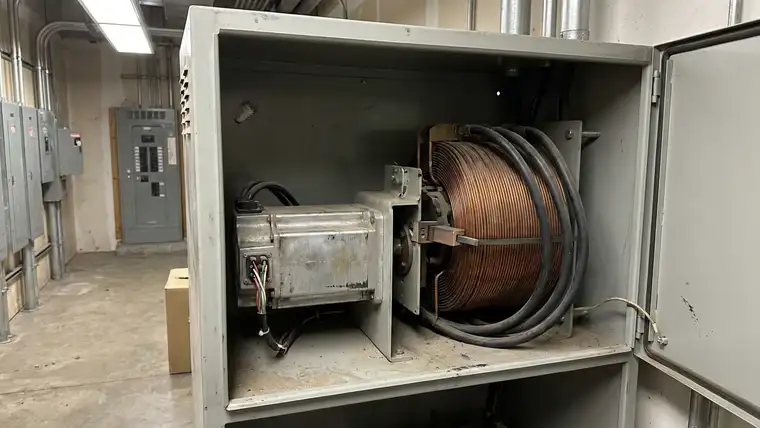
The core protection relies on a continuous feedback architecture that samples incoming line voltage against a fixed reference target using precision potential transformers. When fluctuations occur, a microcontroller instantly drives a variable-speed servo motor to sweep a conductive carbon brush across a buck-boost autotransformer. This mechanical adjustment dynamically alters the effective turn ratio, normalizing output without interrupting downstream power delivery. The system consistently maintains ±0.5% to ±3% accuracy, aligning with established IEC 60038 standard voltage tolerances and eliminating the disruptive step-changes typical of older electromechanical units.
Why Servo Topology Suits Sensitive Compressor Loads
Air conditioning compressors operate as highly inductive motors that rapidly degrade when exposed to erratic grid conditions. Prolonged undervoltage forces excessive startup draw that quickly overheats copper coils and accelerates insulation breakdown. Following established ASHRAE guidelines on compressor startup currents, a servo-driven topology neutralizes this mechanical stress by continuously compensating for severe input swings before destructive current profiles reach the terminal block. Because the correction process remains entirely step-free, the compressor receives a clean, stable sine wave that reliably protects internal PCBs, variable frequency drives (VFDs), and fragile phase-shift capacitors.
Precision Response Metrics for HVAC Reliability
Speed dictates equipment survival during harsh motor startup surges. Modern servo systems finalize dynamic voltage adjustments in ≤1 to 2 seconds, perfectly synchronizing with rapid HVAC load fluctuations. This rapid stabilization actively prevents microcontroller brownouts and stops voltage drift from triggering thermal overload relays, ensuring precise refrigerant metering under heavy thermal demand. Facility managers deploying this topology consistently report dramatically fewer nuisance trips and substantially extended winding lifespans across sites plagued by chronic grid degradation.
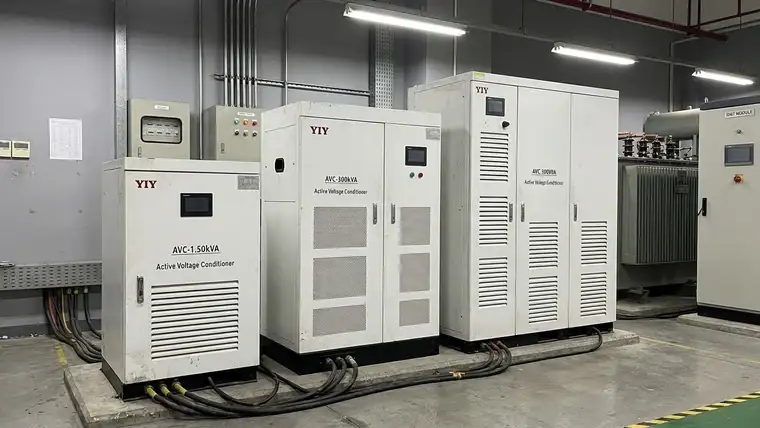
Servo vs Relay vs IGBT: Choosing the Right Topology
Selecting the correct voltage correction architecture directly dictates whether your 1.5 ton AC survives chronic grid instability or suffers premature compressor failure. Before diving into specific load profiles, reviewing comparing relay and IGBT architectures clarifies why servo-driven systems often represent the most pragmatic engineering compromise.
| Feature | Servo Stabilizer | relay voltage stabilizer | IGBT Static Stabilizer |
|---|---|---|---|
| Correction Mechanism | Continuous carbon brush sweep across autotransformer | Discrete electromechanical tap switching | Solid-state semiconductor pulse-width modulation |
| Response Time | ≤ 1–2 seconds | 20 ms – 1.5 seconds (stepwise) | < 10 milliseconds (instantaneous) |
| Output Precision | ±0.5% to ±3% | ±5% to ±10% | ±0.5% to ±1% |
| Maintenance Needs | Periodic brush/motor inspection (low) | Contact replacement, arcing cleanup (moderate) | Thermal cooling verification, fan/filter checks (moderate) |
| Ideal Load Profile | 1.5T AC compressors, CNC, industrial motors | Basic lighting, non-electronic residential appliances | Medical imaging, semiconductor fabs, ultra-precision servers |
| Cost vs. ROI | Moderate CAPEX, high long-term durability | Low CAPEX, higher lifecycle replacement costs | High CAPEX, specialized application justification |
Response Behavior and Load Suitability
Relay units operate through discrete tap-switching, generating audible clicks and momentary voltage steps that frequently trigger protective shutdowns in sensitive inverter compressors. While a standard relay voltage stabilizer may suffice for basic residential lighting, its step-changes introduce electrical noise that degrades HVAC control boards. IGBT modules provide instantaneous solid-state switching and zero moving parts, yet their high capital cost is typically justified only for ultra-sensitive medical or semiconductor equipment. Servo systems bridge this operational gap by utilizing a continuously adjusting carbon brush. This smooth, step-free regulation maintains ±1% to ±3% output accuracy without interrupting power flow, establishing it as the safest topology for highly inductive motor loads.
Maintenance and Cost-Benefit Tradeoffs
Mechanical protection always introduces distinct maintenance cycles. Servo units require periodic inspection of the drive motor and carbon brush tracks, though fully sealed modern enclosures have drastically extended service intervals. Relay contacts inevitably suffer from electrical arcing and contact pitting, demanding frequent manual replacements, while static IGBT converters require aggressive active cooling and thermal monitoring. Despite carrying a moderate upfront cost, servo stabilizers generate superior long-term ROI. By completely neutralizing voltage step-transients that accelerate winding insulation breakdown, they dramatically reduce thermal stress and extend HVAC asset lifespans, ultimately minimizing total operational expenditures.
Critical Specification and Maintenance Checkpoints Before Purchase
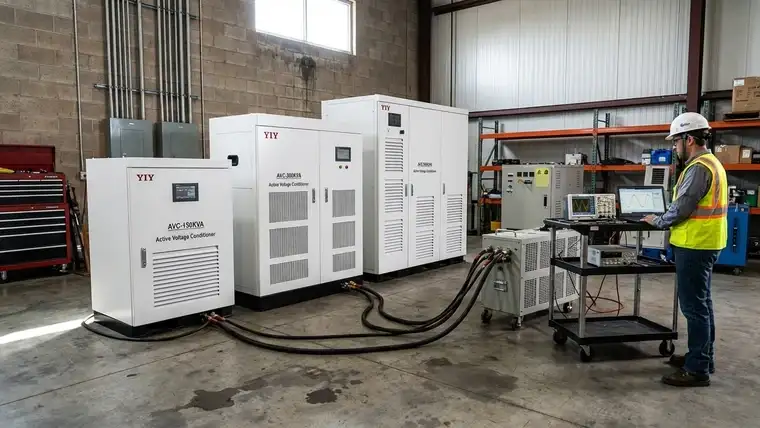
Evaluating a servo stabilizer requires moving past nominal kVA ratings and auditing actual site parameters. Real-world reliability hinges on matching the stabilizer’s electrical tolerance to your specific grid environment and HVAC duty cycle.
Voltage Range and Environmental Load
Correct kVA sizing must strictly account for the substantial startup inrush current of rotary compressors, rather than relying solely on steady-state running watts. Just as specialized industrial equipment demands rigorous inductive load inrush current handling, procurement teams must apply a 25–30% safety margin above the AC’s nameplate rating to absorb peak startup demands. Additionally, verify that the unit’s specified input voltage range completely encompasses historical grid sags and surges recorded in facility logs. Installations exposed to heavy particulate matter, coastal humidity, or high ambient temperatures require sealed IP54/IP65 enclosures and robust heat sinks to prevent premature insulation breakdown.
Bypass Architecture and Thermal Routines
A dedicated maintenance bypass switch remains non-negotiable for preserving continuous HVAC operation during stabilizer servicing or unexpected fault isolation. Overheating prevention relies on integrated thermal sensors that trigger immediate, controlled shutdowns before internal windings reach dangerous saturation points. Field technicians should also establish strict mechanical routines, including quarterly brush contact inspections and servo motor alignment verification, to prevent physical degradation from impacting response accuracy.
YIY Design Mitigation for Common Failures
Standard market units frequently struggle with audible operational noise, persistent output fluctuation, and cumulative correction errors under heavy inductive stress. YIY’s engineering framework eliminates these liabilities through precision-guided carbon brushes and reinforced winding tracks that guarantee silent, stepless regulation. Integrated adaptive control boards continuously recalibrate the feedback loop to neutralize drift, while optimized airflow pathways aggressively dissipate heat during peak compressor cycles. To ensure optimal configuration for your facility’s exact electrical profile, engineers should reference a complete industrial sizing framework before finalizing hardware procurement. This systematic approach effectively decouples equipment lifespan from unstable grid conditions.
YIY Application Fit and Technical Consultation Path
Certified Capacity Mapping for HVAC Loads
Matching a 1.5 ton AC unit to a reliable voltage correction topology requires hardware that seamlessly bridges high-precision regulation with rigorous industrial durability. YIY’s certified product family spans exactly from 0.5 KVA to 3000 KVA, delivering precise capacity alignment for both single-phase commercial installations and heavy-duty three-phase arrays that frequently experience grid instability. Every unit undergoes strict ISO 9001:2015 and CE compliance protocols to guarantee uninterrupted thermal management under sustained compressor inrush conditions, systematically eliminating the operational risk of deploying under-spec components that routinely degrade during peak cooling cycles.
Global Deployment and OEM Integration
Multi-site facility strategies demand more than regional hardware sourcing because distributed networks require a unified, globally supported technical architecture. YIY maintains an established engineering service network across 130+ countries, enabling rapid configuration audits, localized parts dispatch, and on-site troubleshooting for complex HVAC deployments spanning multiple climate zones. Our design division complements this infrastructure with comprehensive OEM/ODM customization, allowing procurement teams to modify terminal layouts, integrate BACnet communication protocols, and upgrade enclosure IP ratings without compromising factory-standardized performance metrics.
Engineering-Led Validation and Next Steps
Finalizing the optimal voltage architecture requires auditing actual grid behavior rather than relying solely on theoretical manufacturer nameplate ratings or generic distributor recommendations. We strongly recommend submitting your continuous voltage fluctuation logs, ambient thermal profiles, and exact motor startup inrush curves to our application engineering team for a formal topology validation. Our specialists will cross-reference your operational metrics against our full-stack topology matrix to definitively determine whether a precision servo, relay-based, or static IGBT configuration delivers the absolute lowest total cost of ownership before you initiate formal procurement orders.
Frequently Asked Questions
What should buyers evaluate before choosing a servo stabilizer for a 1.5 ton AC?
Prioritize output accuracy (±1%–3%), response speed (<2 seconds), and a dedicated maintenance bypass switch. Verify the IP enclosure rating matches your site’s ambient temperature and dust levels. Always request thermal overload safeguards to protect the carbon brush mechanism and autotransformer during continuous heavy loads.
When is a servo stabilizer for 1.5 ton AC necessary instead of relay or static units?
Choose servo topology when chronic grid swings exceed ±5% or when step-free regulation is mandatory to safeguard modern inverter compressors and sensitive control PCBs. Unlike relay systems that switch in disruptive steps, servo motors continuously sweep to normalize power seamlessly. This step-free operation prevents compressor inrush spikes and eliminates nuisance thermal shutdowns.
How should the kVA rating and input voltage range be specified for this application?
Never size purely on steady-state running wattage. Calculate the required kVA by adding a 30% safety margin to absorb heavy startup inrush currents. Match the input voltage window against historical site logs to ensure the unit covers your worst-case grid sags and surges without tripping into protective lockout.
Final Thoughts
Selecting a stabilizer for critical HVAC assets requires aligning chronic grid volatility with precision protection thresholds. When input swings consistently exceed standard relay correction limits, or when step-free regulation is mandatory to safeguard inverter compressors and sensitive control electronics, servo topology delivers the optimal balance of accuracy, durability, and lifetime ROI. Over-engineering drains working capital, while under-protection accelerates winding degradation. YIY’s certified manufacturing framework and full-stack voltage architecture guarantee engineering-validated solutions instead of generic compromises.
Offer a technical review with YIY to confirm whether servo, relay, or IGBT is the best fit for the application and maintenance context.
About YIY
Zhejiang Yiyen Holding Group Co., Ltd. (YIY) is a professional voltage stabilizer manufacturer with 16+ years of experience. With a 30,000qm modern facility and an annual production capacity of 1,000,000+ units, our products are exported to 130+ countries. We provide OEM/ODM customization services and are ISO 9001:2015 certified, committed to delivering stable and reliable voltage protection solutions to global customers.
Contact Us
Email: yiyen@yiyen.com
Phone/WhatsApp: +86 13587452904
Website: https://www.yiyavr.com/